Tunis to Beirut: Four Countries, One Ferry, and No Tour Bus in Sixteen Days
I ran this exact loop in March 2018. These are the flights I booked one at a time, the ferry I sat on for two hours crossing the Gulf of Aqaba, and the pre-dawn scramble up Mount Sinai in the dark. I have spent 25 years learning how to travel well for less in 154 countries. This is that playbook applied to a region most people assume requires either a fully guided tour or a level of logistics they don’t want to deal with alone.
It requires neither. This plan strings together four countries — Tunisia, Egypt, Jordan, and Lebanon — using scheduled flights, one international ferry, and the same public buses and private drivers everyone else uses, for a fraction of what an escorted “Egypt and Jordan highlights” tour charges before you’ve even added Tunisia or Lebanon to the itinerary. The catch, as always: you book each leg yourself, in sequence, months apart if you like. This page removes most of that work.
Who this trip is for
This is the most logistically dense plan on this site, and I want to be honest about that before you book anything. In sixteen days you cross four land or sea borders, take four flights, sit through one genuine ocean-crossing ferry, and change currency four times. None of it is hard on its own — every leg is something thousands of independent travelers do every month — but stacked together it asks more of you than a single-country trip. If you want your first solo international loop to be low-stress, start with something smaller and come back to this one.
Physically, the demands are real but manageable for most active older travelers: a pre-dawn hike up Mount Sinai (2,285 m, roughly three hours up on a graded camel path with the option of a camel most of the way), a full day on foot at Petra including 800 uneven steps to the Monastery if you choose to climb it, and long single days of walking in Cairo, Alexandria, and Beirut. Nothing requires technical fitness, and every strenuous stop has an easier alternative built into the plan below.
One honest note on Lebanon: this plan reflects the country as I found it in March 2018 — safe, welcoming, and geared for visitors, with tourists a rare enough sight that shopkeepers in Tripoli stopped to chat. Lebanon’s situation has been volatile since, and conditions can change quickly. Check the US State Department travel advisory for Lebanon before you book that leg, and have a fallback that ends the loop in Amman if conditions warrant it — Royal Jordanian and Middle East Airlines both fly Amman–Beirut daily, so adding or dropping that leg is a one-flight decision, not a re-plan.
When to go
March is close to ideal for this exact route: cool enough for the Cairo and Giza sun, warm enough for the Red Sea, and before Petra’s summer heat makes the Siq and the Monastery hike miserable by midday. I went in mid-March and wore a jacket in Amman at night and swam in Dahab in the afternoon of the same week. October and November work almost as well and add slightly warmer sea temperatures. Avoid July and August throughout — Cairo, Petra, and the Sinai interior all run well past 38°C — and avoid Ramadan dates if you want restaurants and tour operators running normal hours (the dates shift each year; check before booking).
The route at a glance
US gateway → Tunis (Tunisia) → Cairo → Alexandria (Egypt) → Sharm El Sheikh → Dahab → Mount Sinai → Nuweiba (Sinai Peninsula) → ferry across the Gulf of Aqaba → Petra → Amman (Jordan) → Beirut → Baalbek (Lebanon) → home.
The shape works because each leg has a natural, affordable connector: a short regional flight from Tunis to Cairo, a domestic Egyptian hop from Alexandria to Sharm El Sheikh, an overland transfer across the Sinai to the port town of Nuweiba, an international ferry across the Gulf of Aqaba into Jordan (the only practical way to cross without backtracking through Cairo or Israel), a short flight from Amman to Beirut, and a return flight home from Beirut, typically routed through a European or Istanbul hub. No city is revisited, and no leg doubles back on itself.
Day by day
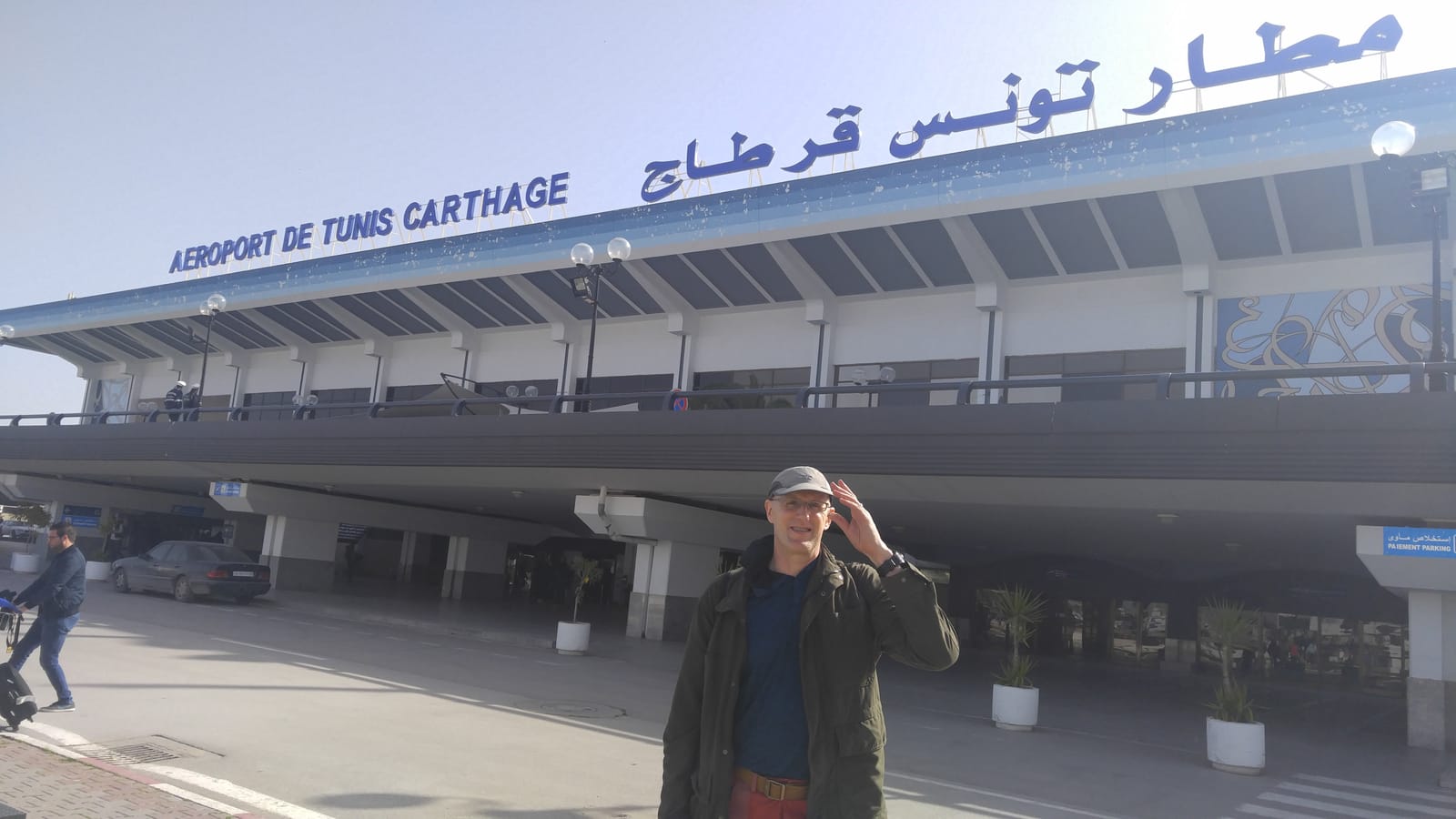
Day 1 — Fly to Tunis. Most US routings connect through a European hub (Paris, Frankfurt, or Istanbul all work); build in an overnight near the connecting airport if your onward flight leaves early the next morning, the way mine did. Land in Tunis in the morning and take a taxi or the airport shuttle bus into the city — agree the fare before you get in, or ask your riad to arrange a pickup for about €10.
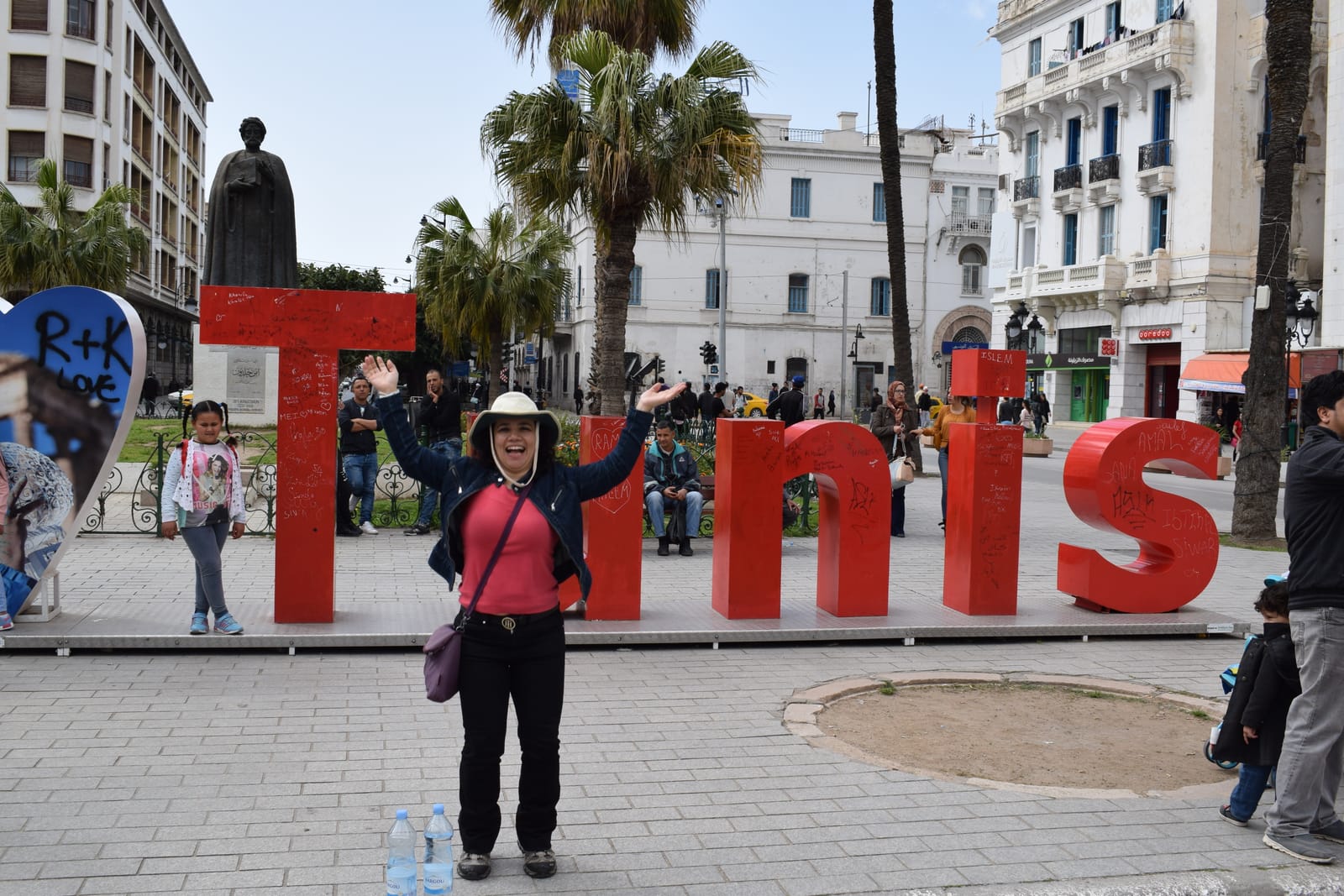
Day 2 — Tunis medina. The old medina is a UNESCO site and walkable directly from most central hotels: the Bab el Bahr gate, the Souk des Chéchias, Hammouda Pacha Mosque, and the Bardo Museum for the finest collection of Roman mosaics outside Rome itself (about 5 dinars by taxi). Haggle hard in the souks — asking prices run high and 40–60% off is normal. Eat at El Ali Restaurant, a rooftop spot overlooking the Zeitouna Mosque, and try tajine (nothing like the Moroccan dish of the same name — this one is a baked egg-and-cheese cake), brik à l’oeuf, and harissa with everything.
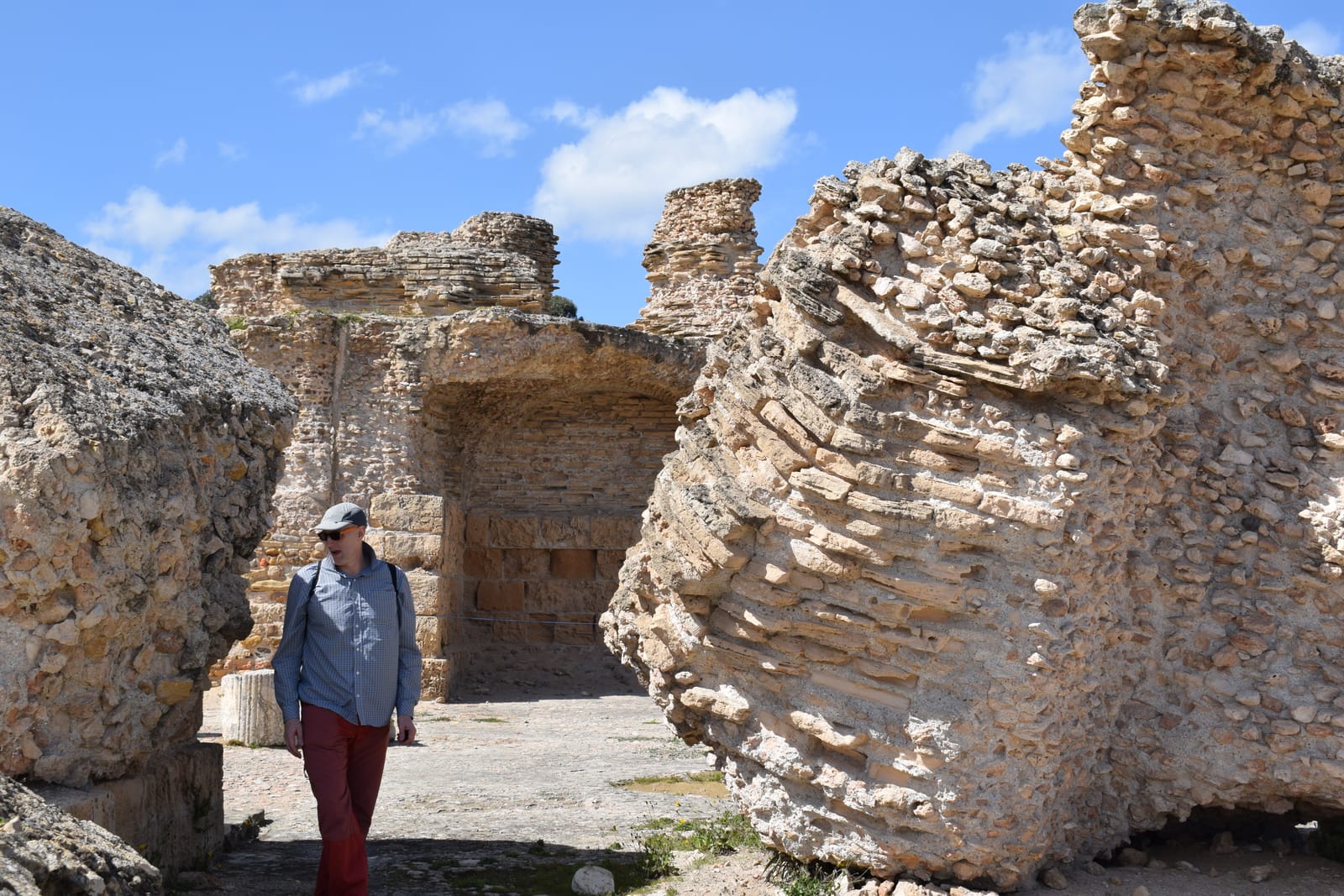
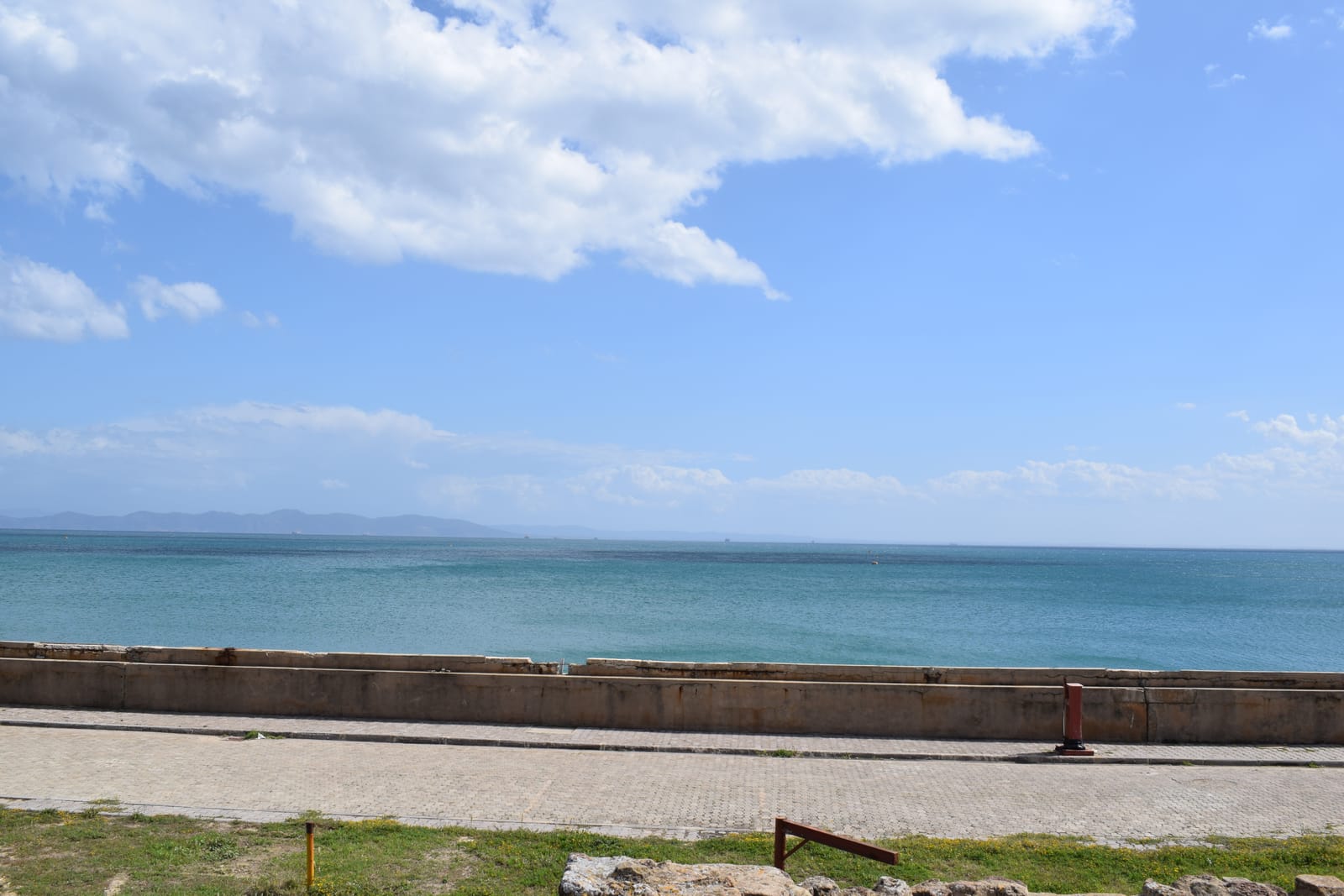
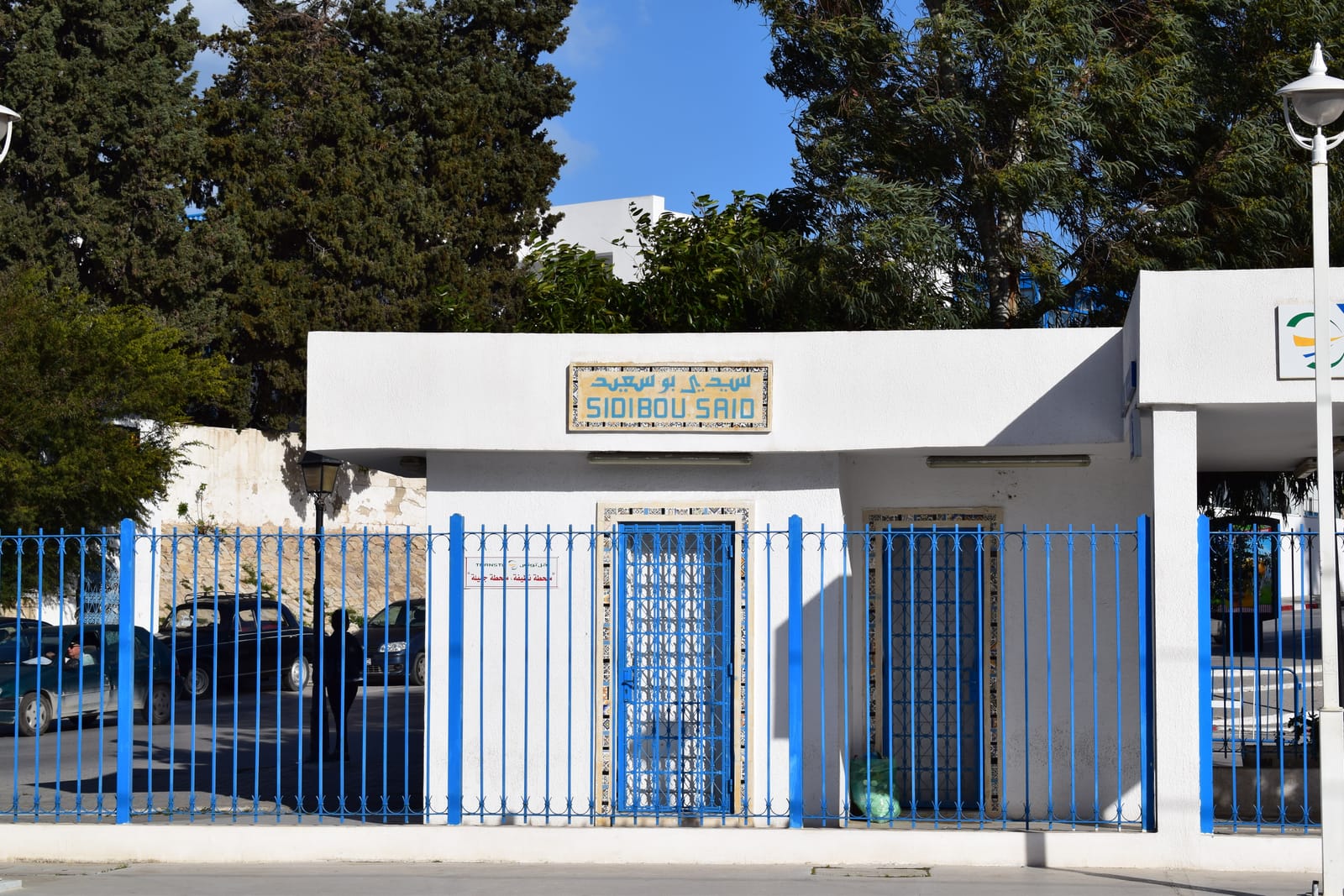
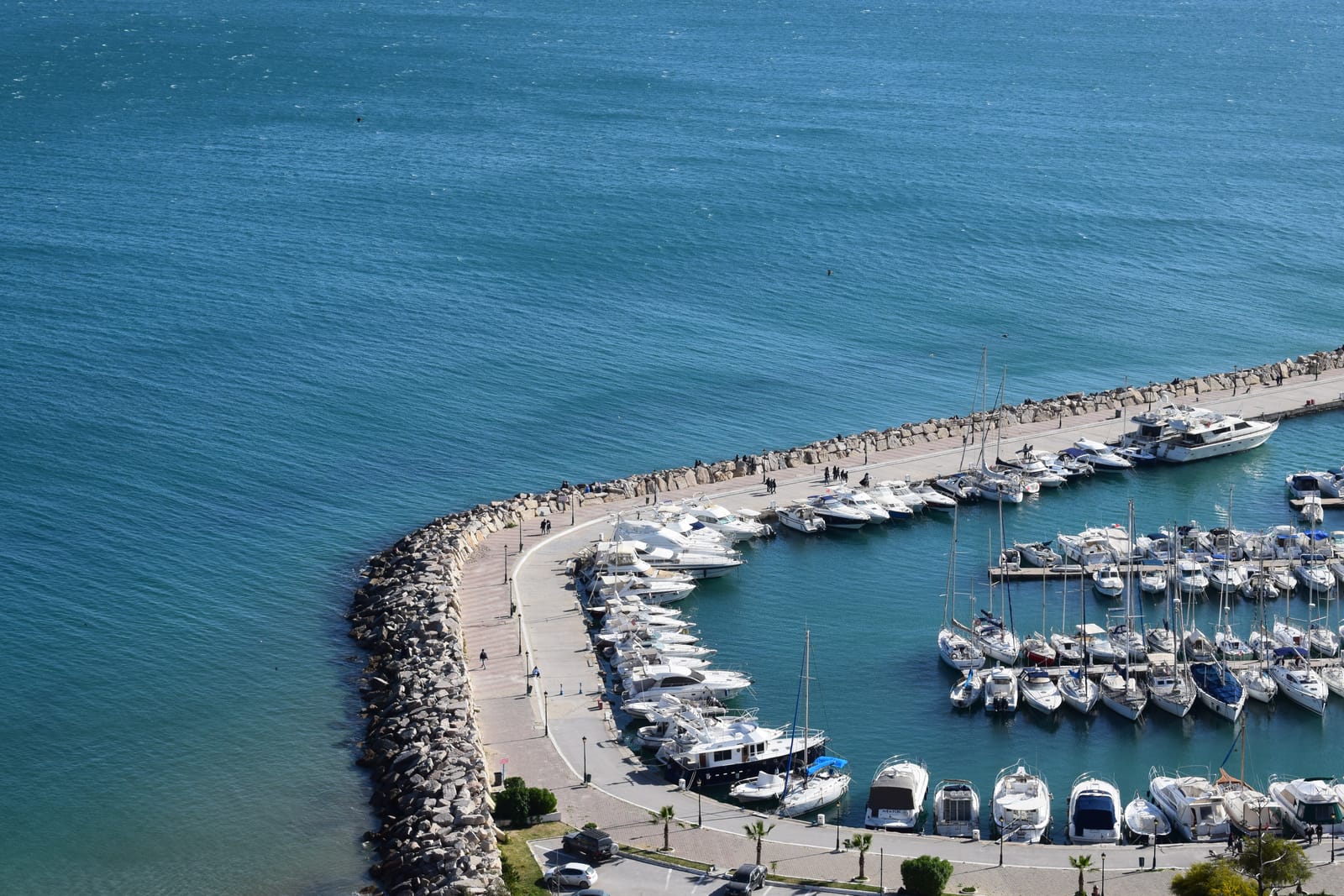
Day 3 — Carthage and Sidi Bou Said. The TGM light rail runs from central Tunis straight to both stops, about 30 minutes and under a dinar. Carthage’s Antonine Baths and the Byrsa hill ruins are the main Roman remnants of the Punic capital Rome leveled in 146 BC; from there, continue two stops to Sidi Bou Said, the blue-and-white hilltop town that has drawn artists since the 1920s and gives the best coastal view of the whole trip. Wander, eat a bambaloni doughnut from any bakery stall, and take the train back before dark.
Day 4 — Fly Tunis to Cairo. A direct flight (Tunisair or EgyptAir, roughly two and a half hours) drops you into a different world entirely. Arrange a hotel pickup in advance — a driver holding a sign is worth the extra few dollars after a long travel day — and get an Egypt visa on arrival for $25 USD cash (bring exact small bills). Base yourself Downtown, close to Tahrir Square, and buy a local SIM at the airport before you leave: Cairo traffic makes a working map non-negotiable.
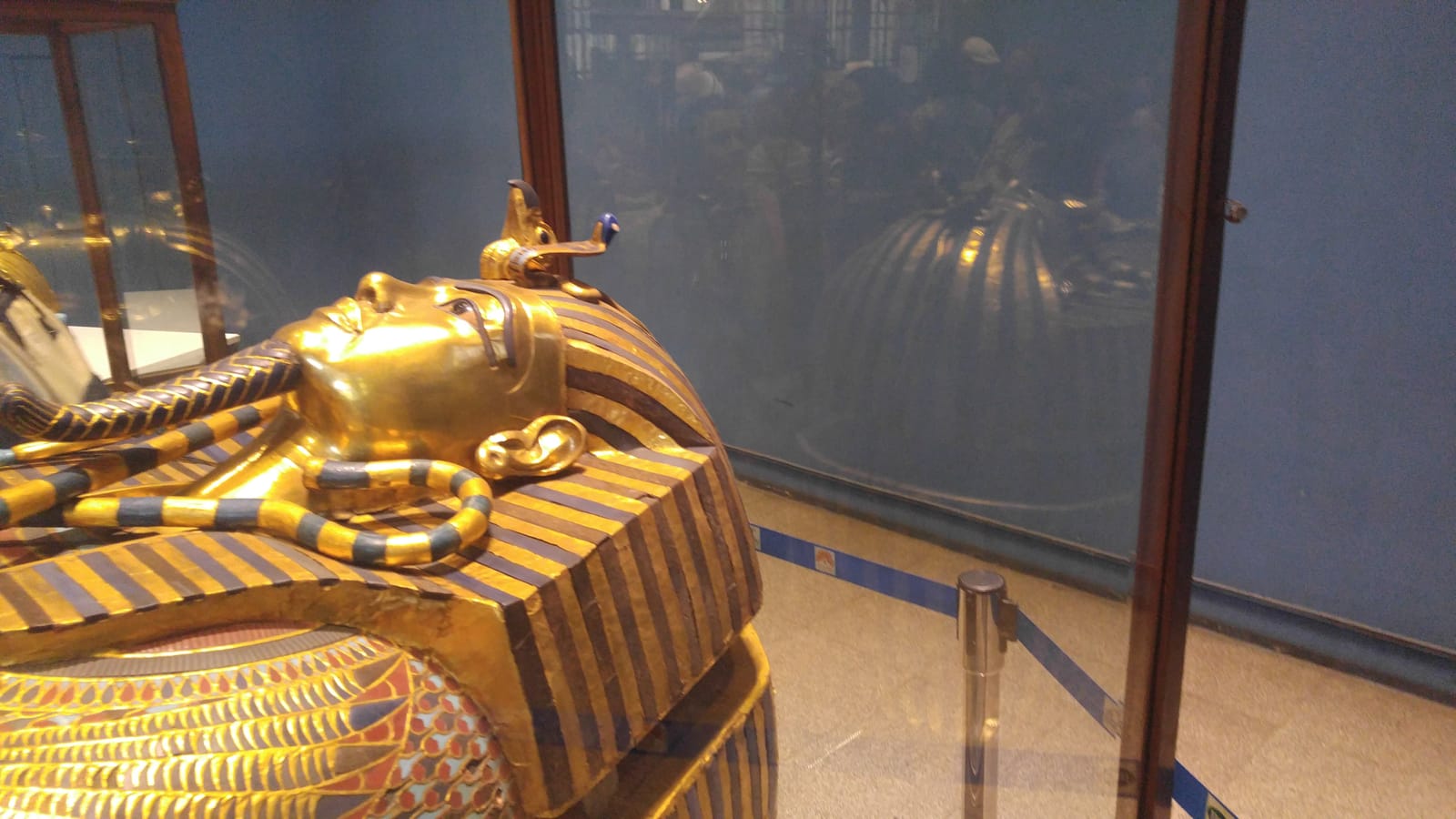
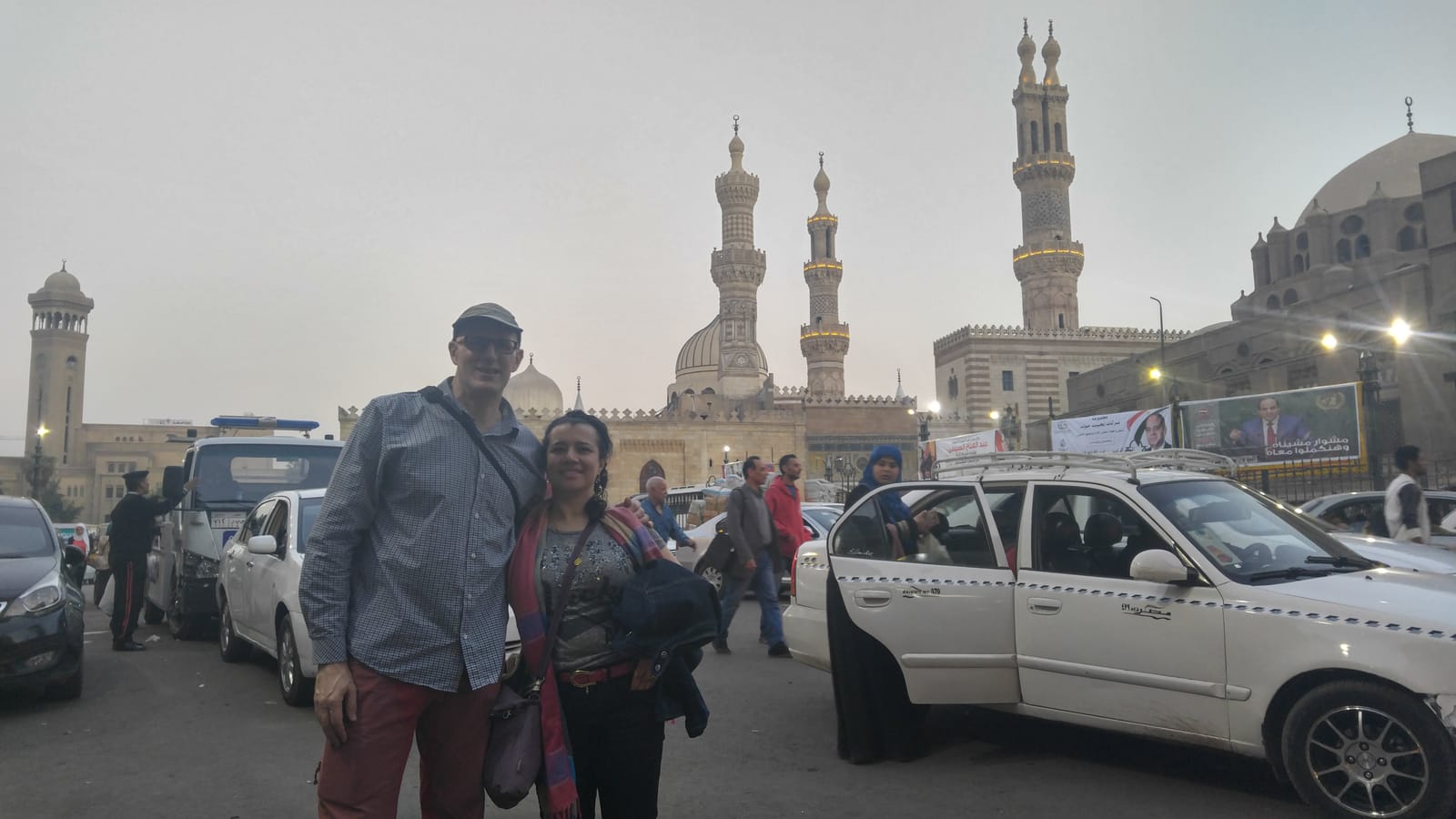
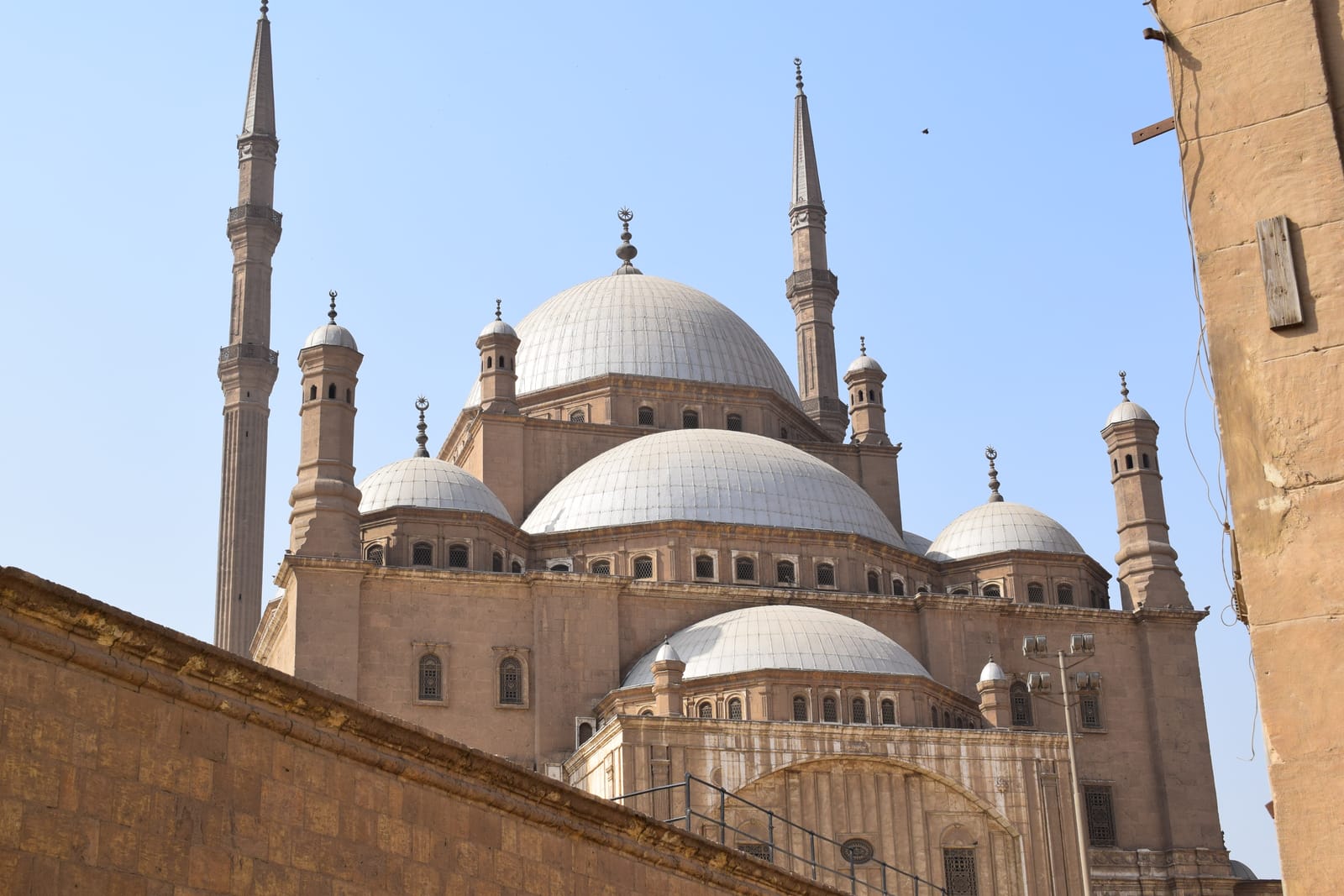
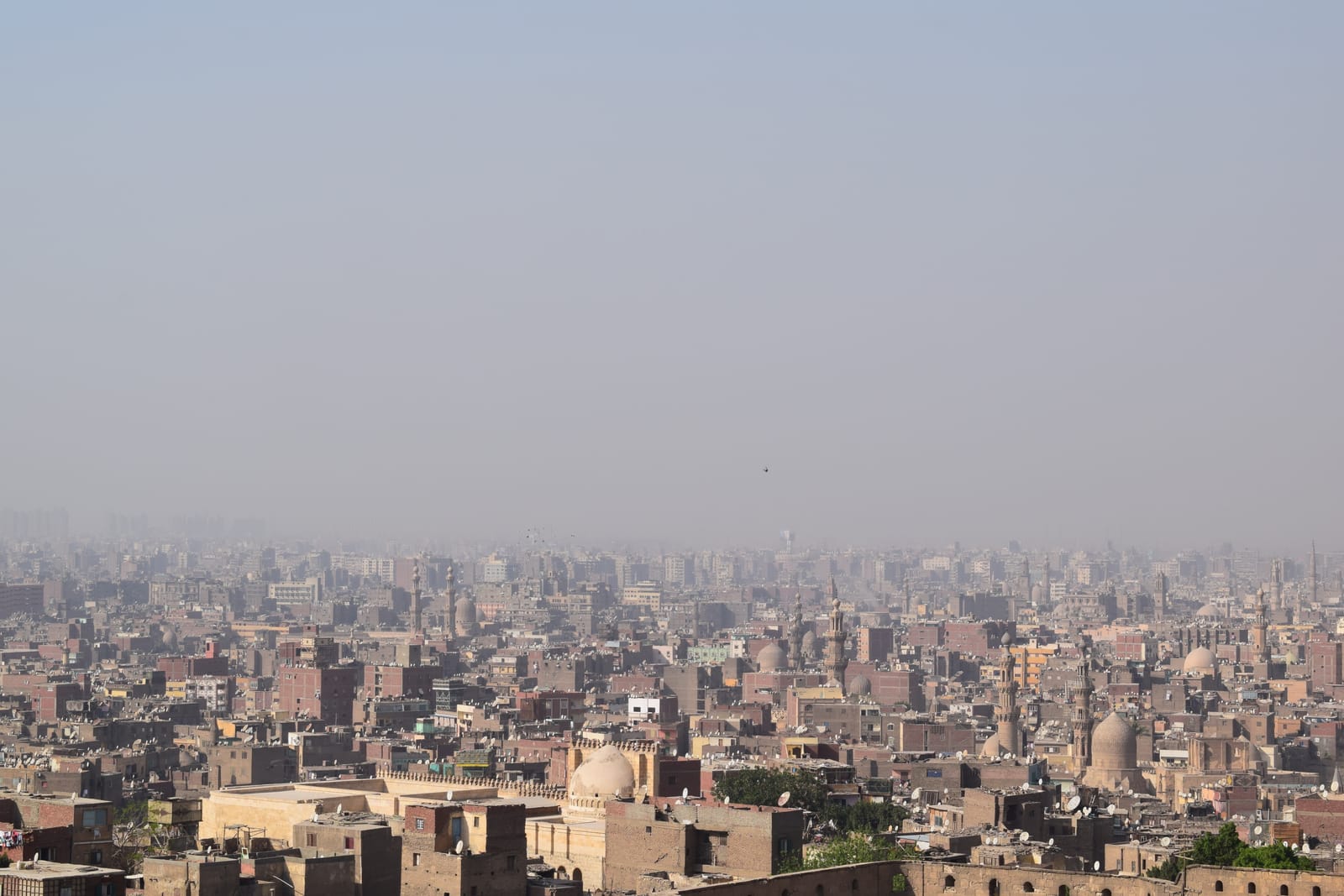
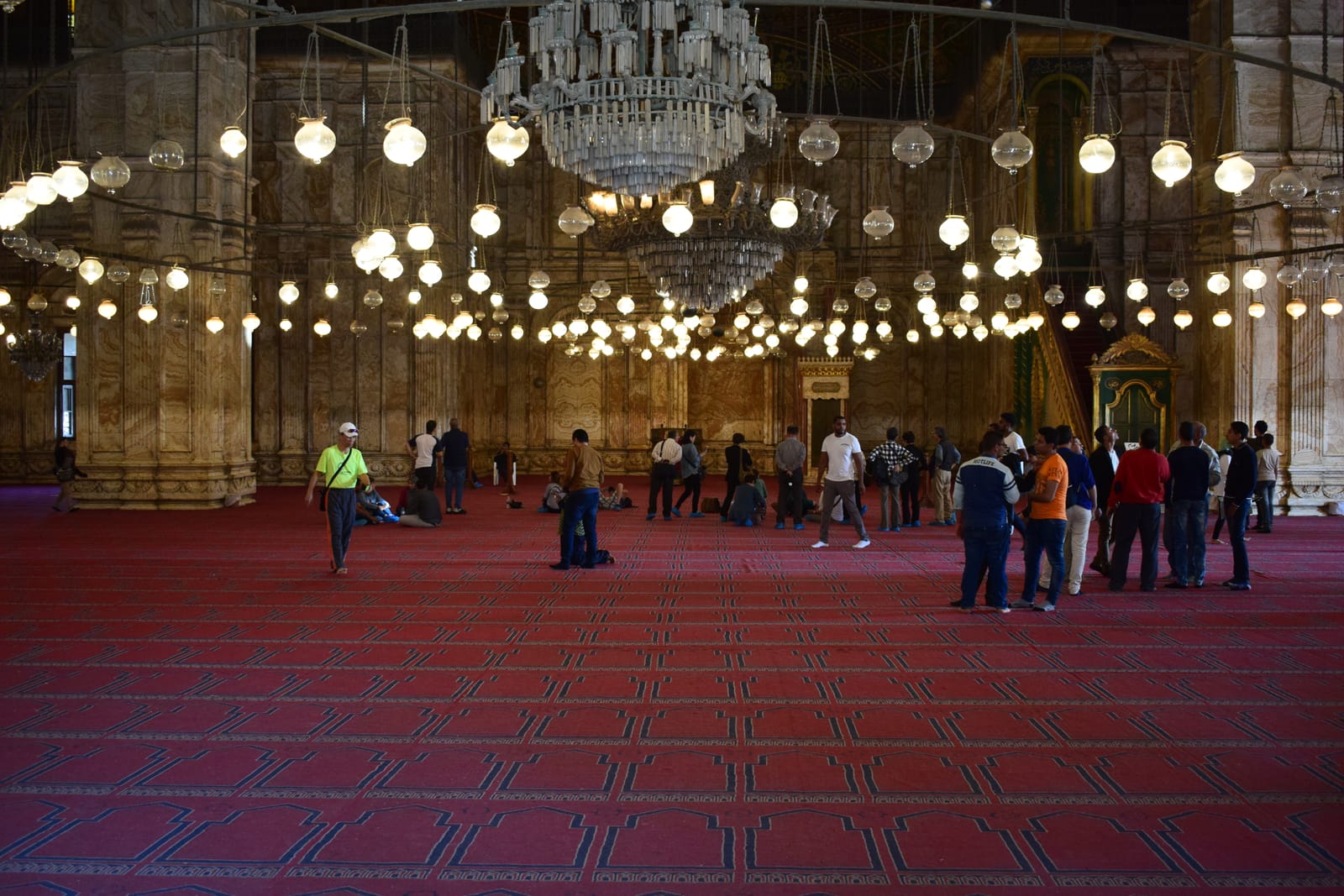
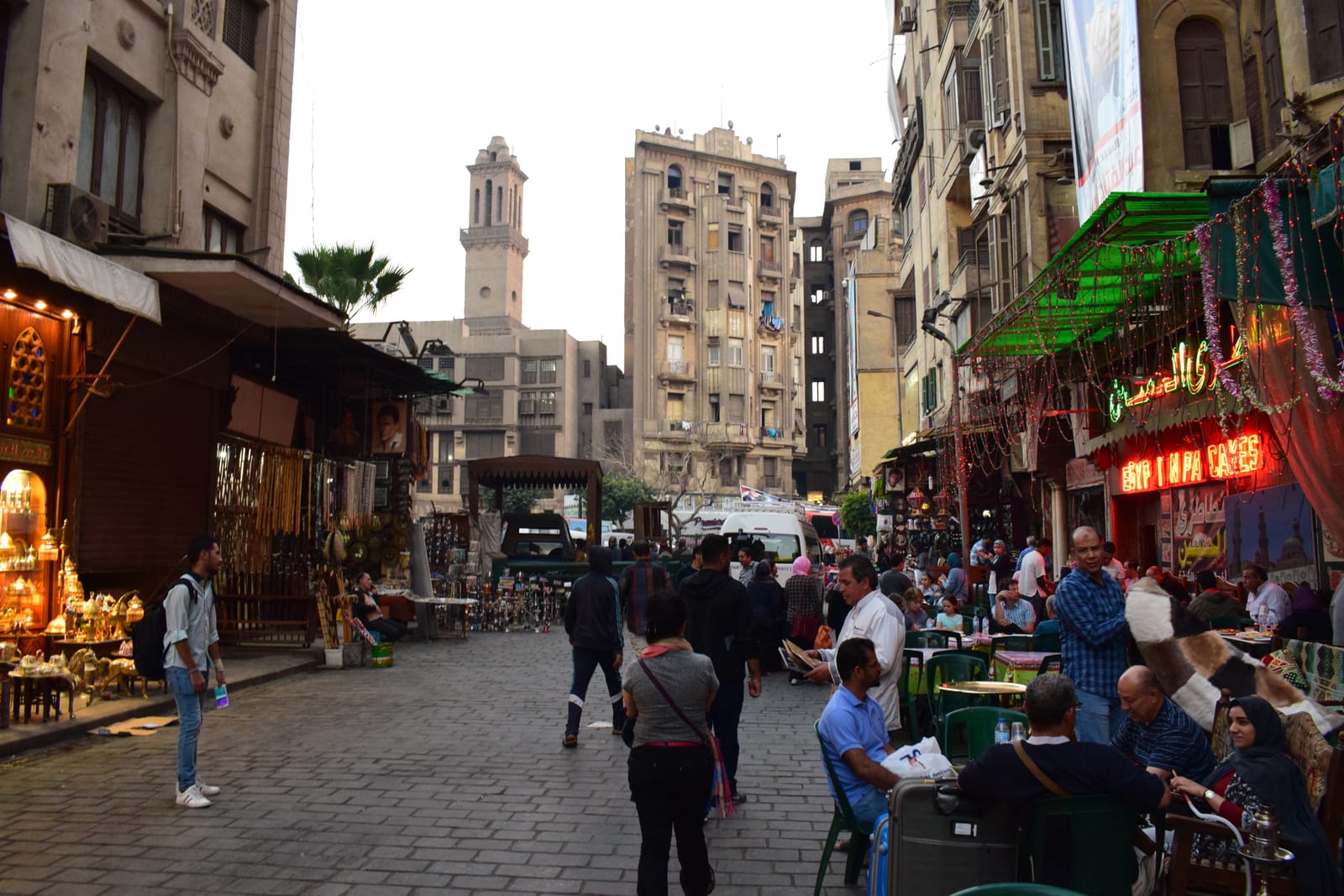
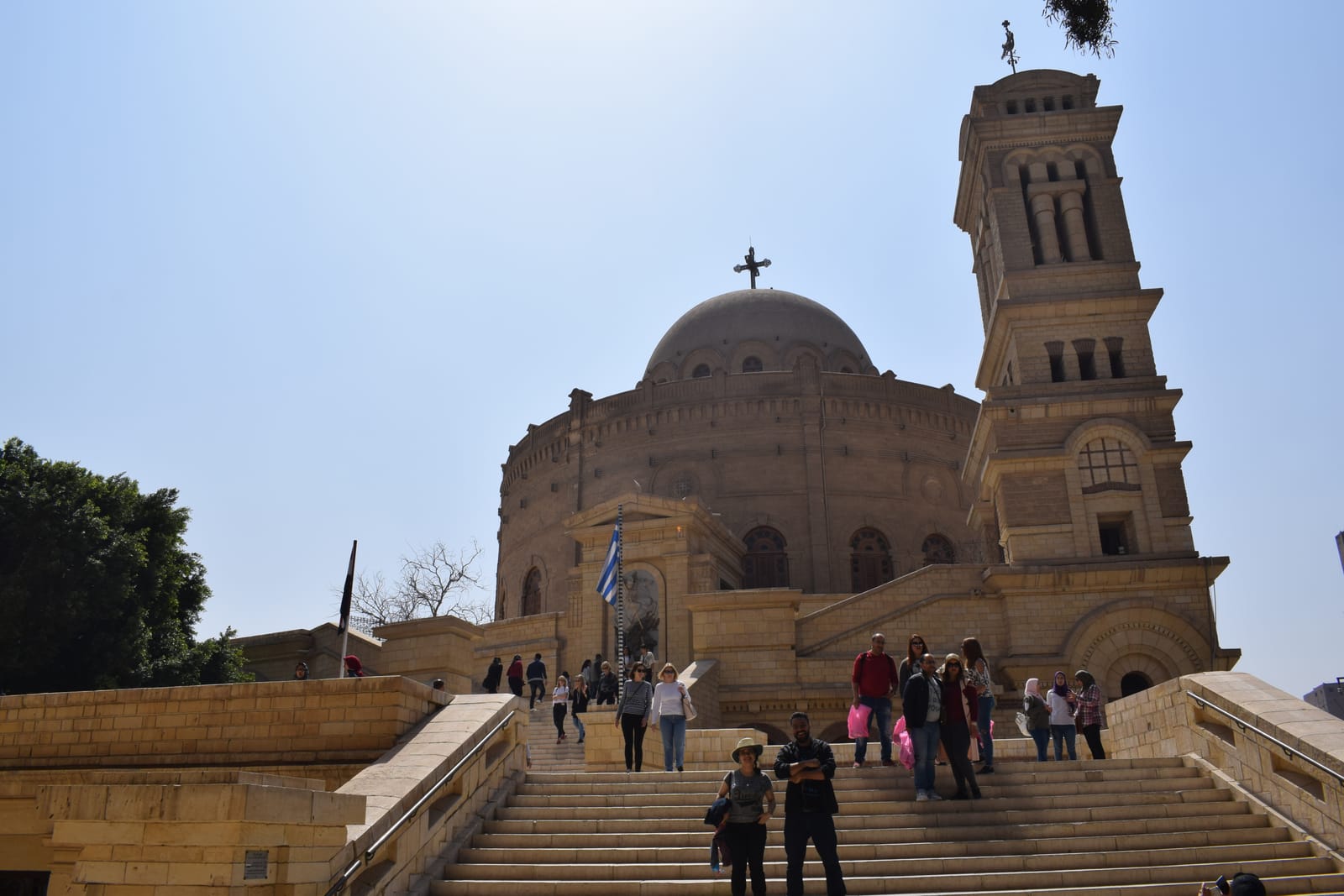
Day 5 — Old Cairo and the Egyptian Museum. A private guide and driver for a full day of Islamic and Coptic Cairo runs about $20–25 per person and is worth it here more than almost anywhere else on the route — the Citadel, Ibn Tulun Mosque, the Hanging Church, and Khan el-Khalili bazaar are spread out and layered with history a good guide unpacks fast. Spend the afternoon at the Egyptian Museum (around $36 per person including a guide) — go for Tutankhamun’s treasures and the Royal Mummy Room, both worth the separate entrance fees, and pay the small camera fee if you want photos.
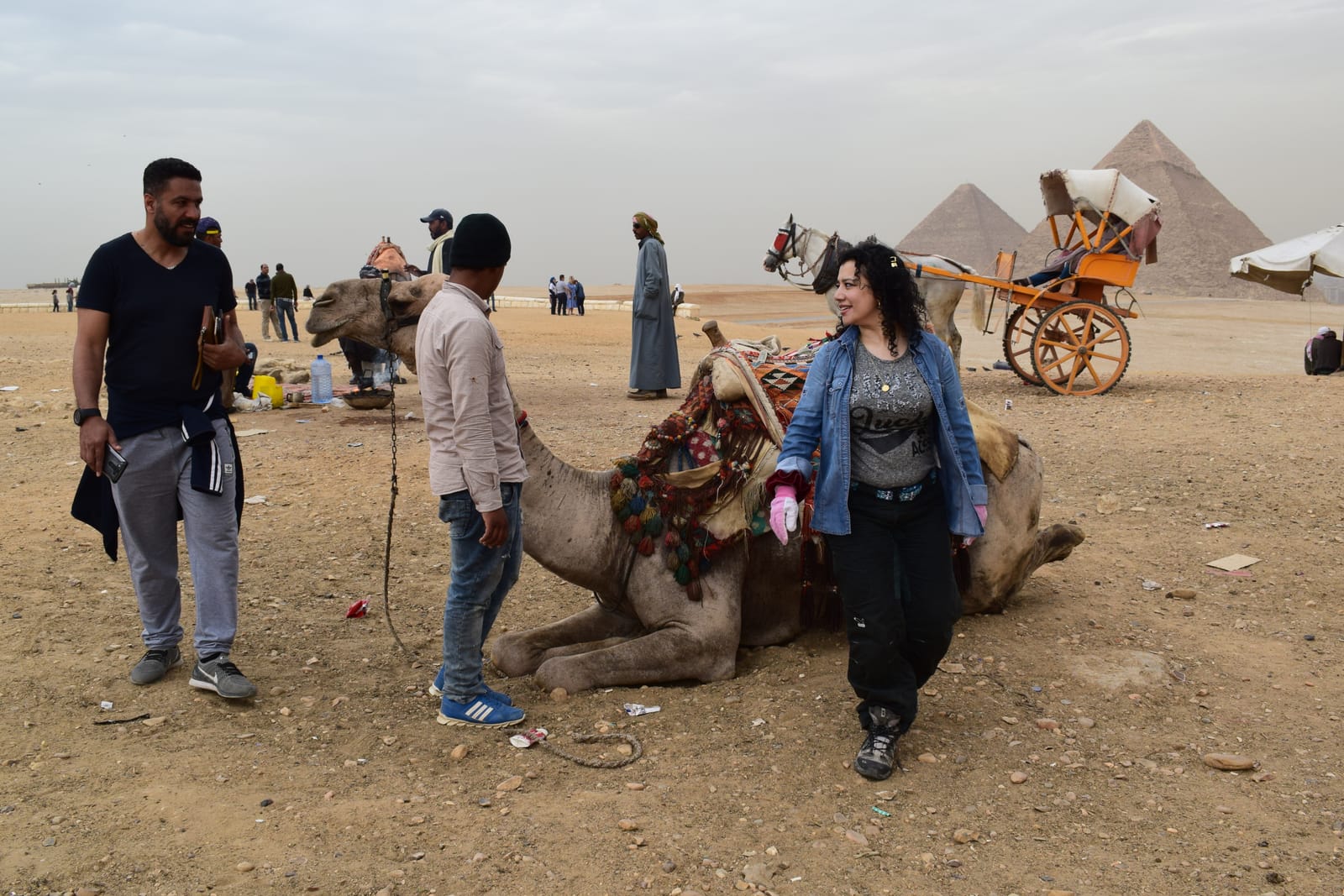
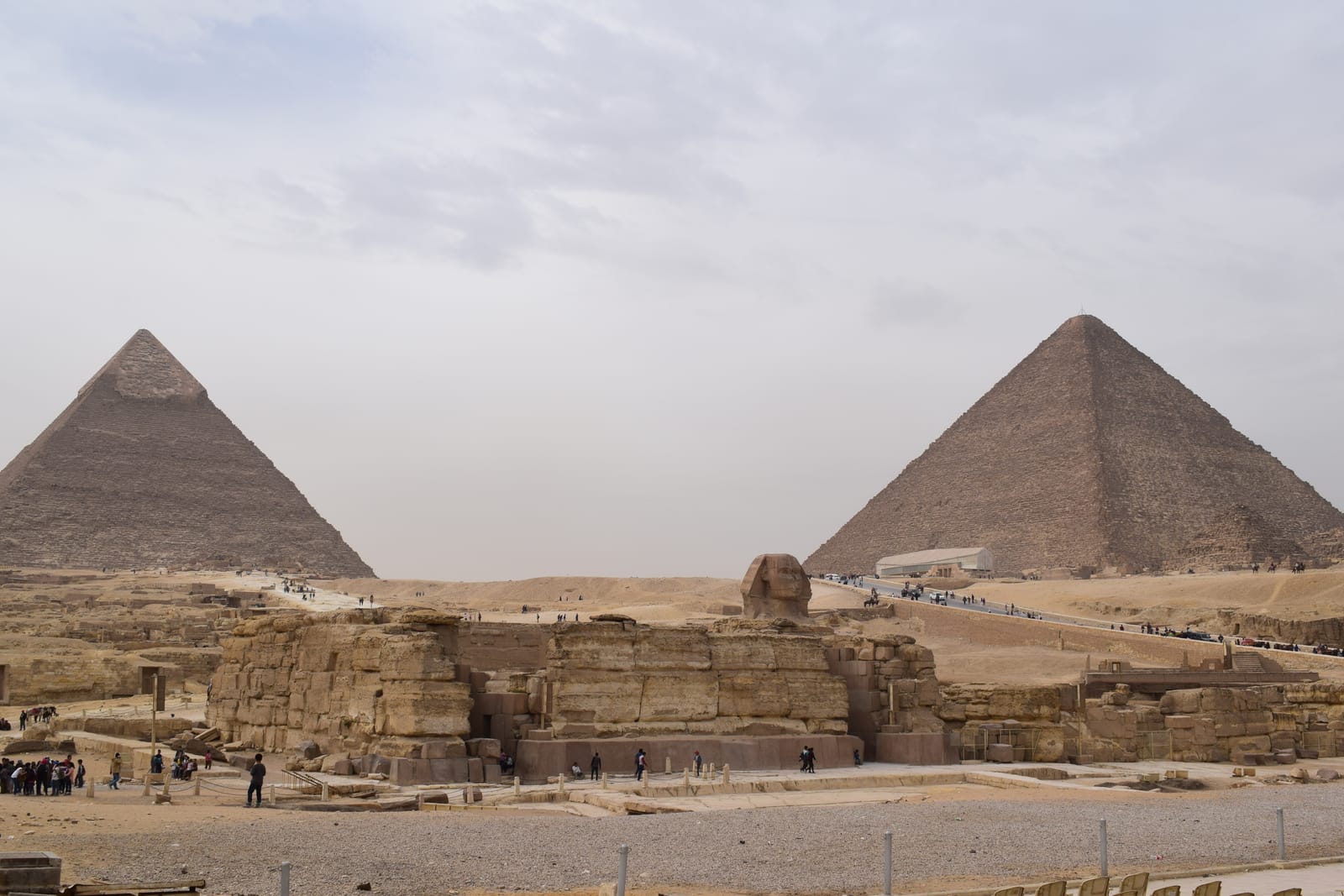
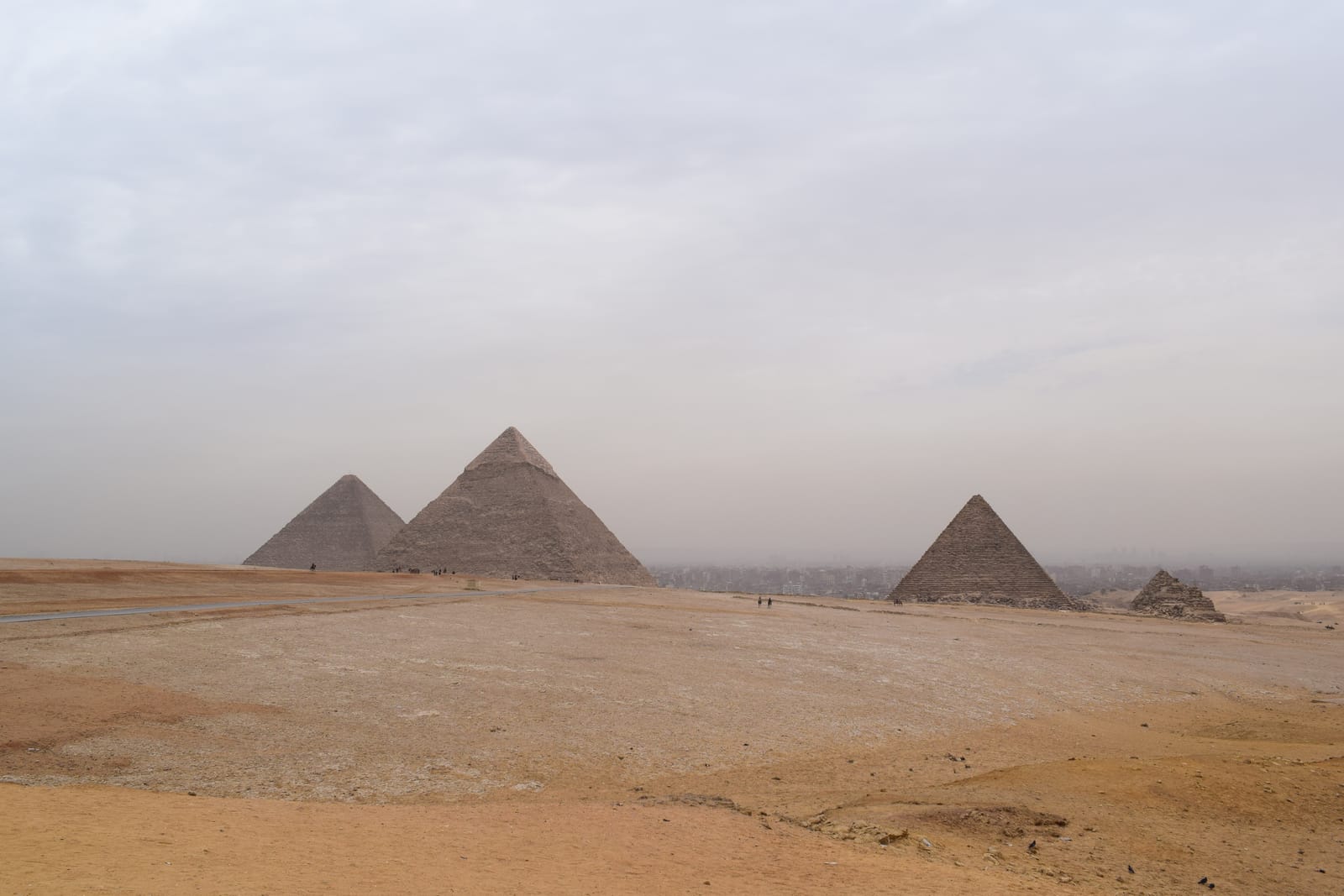
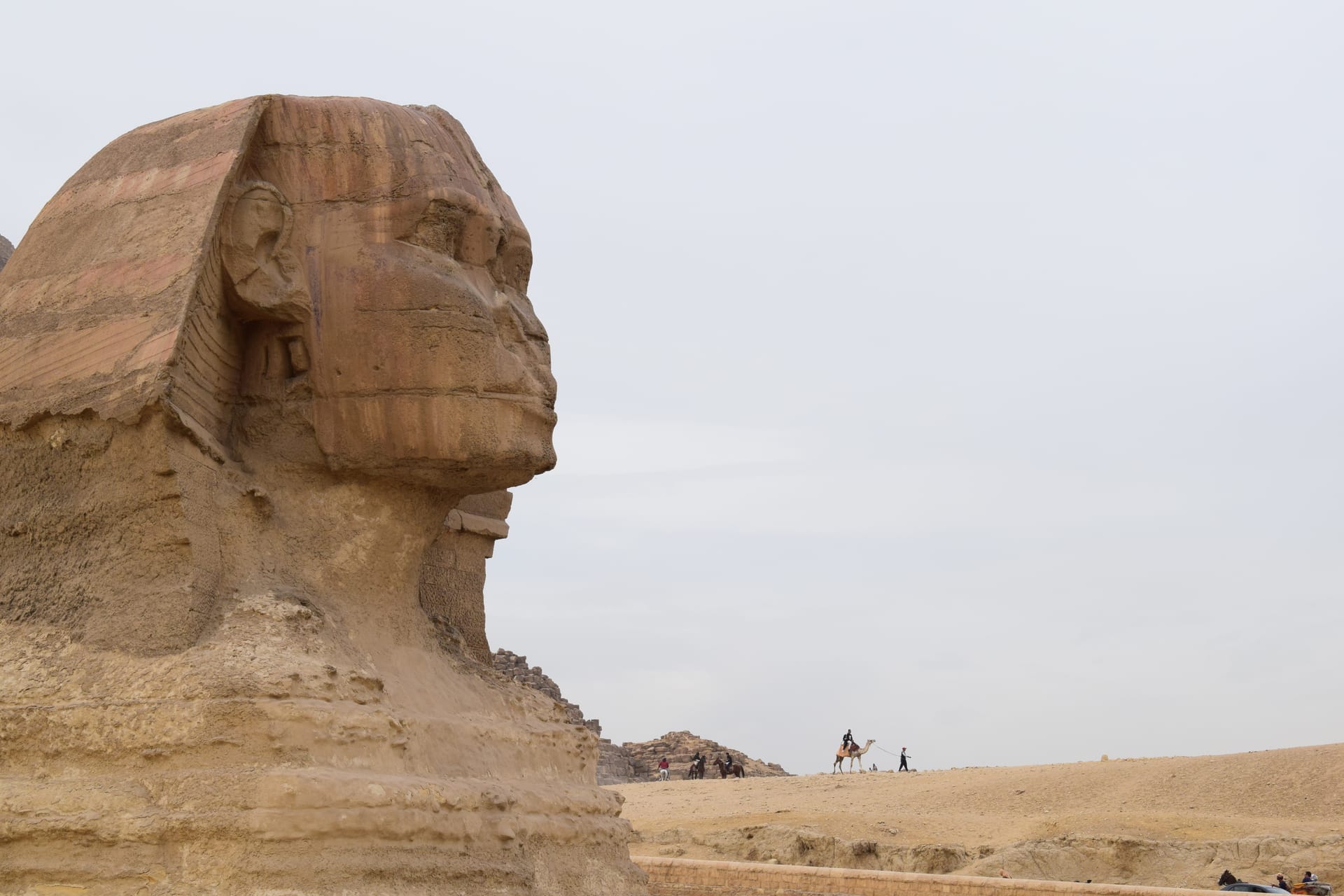
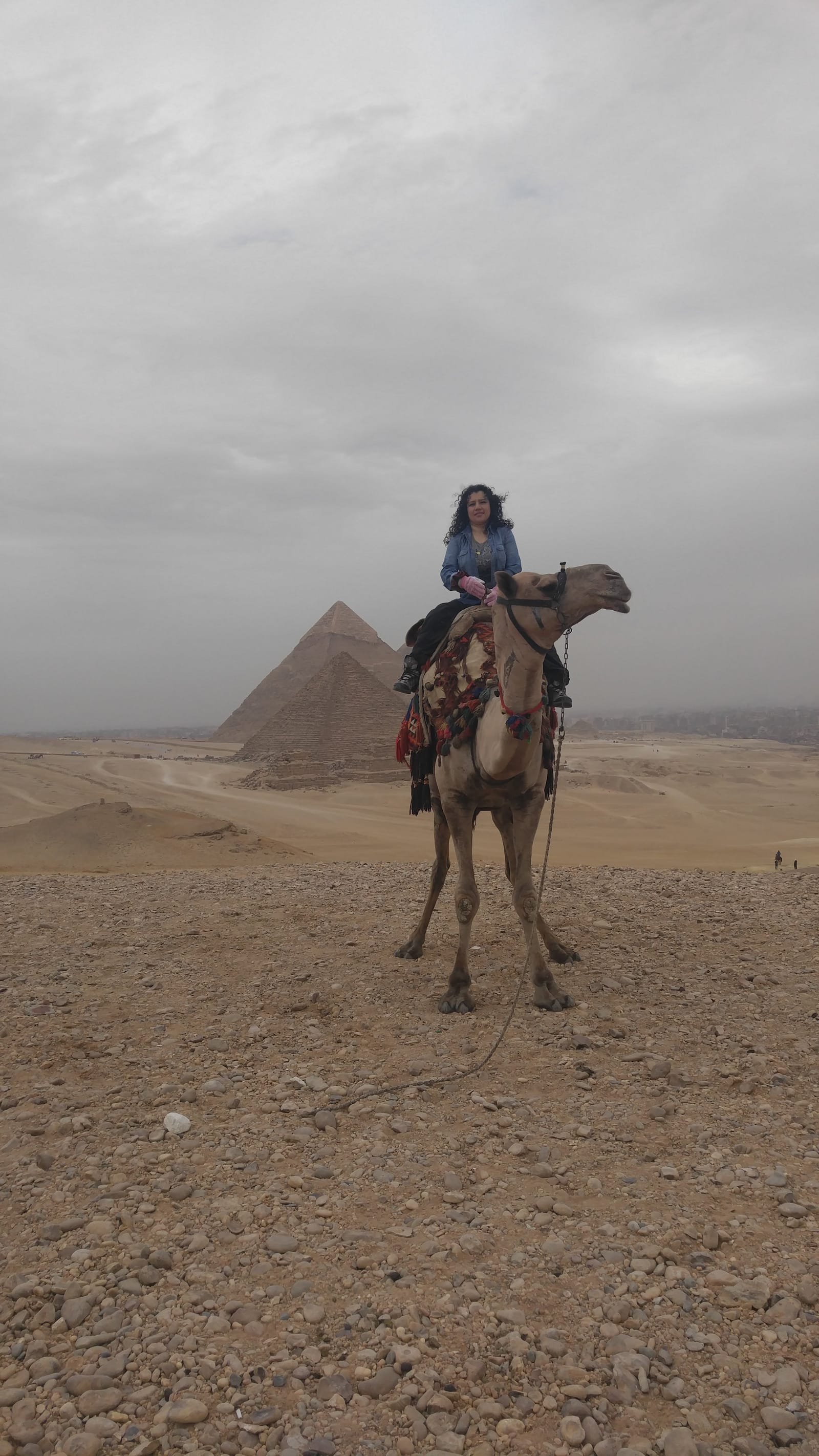
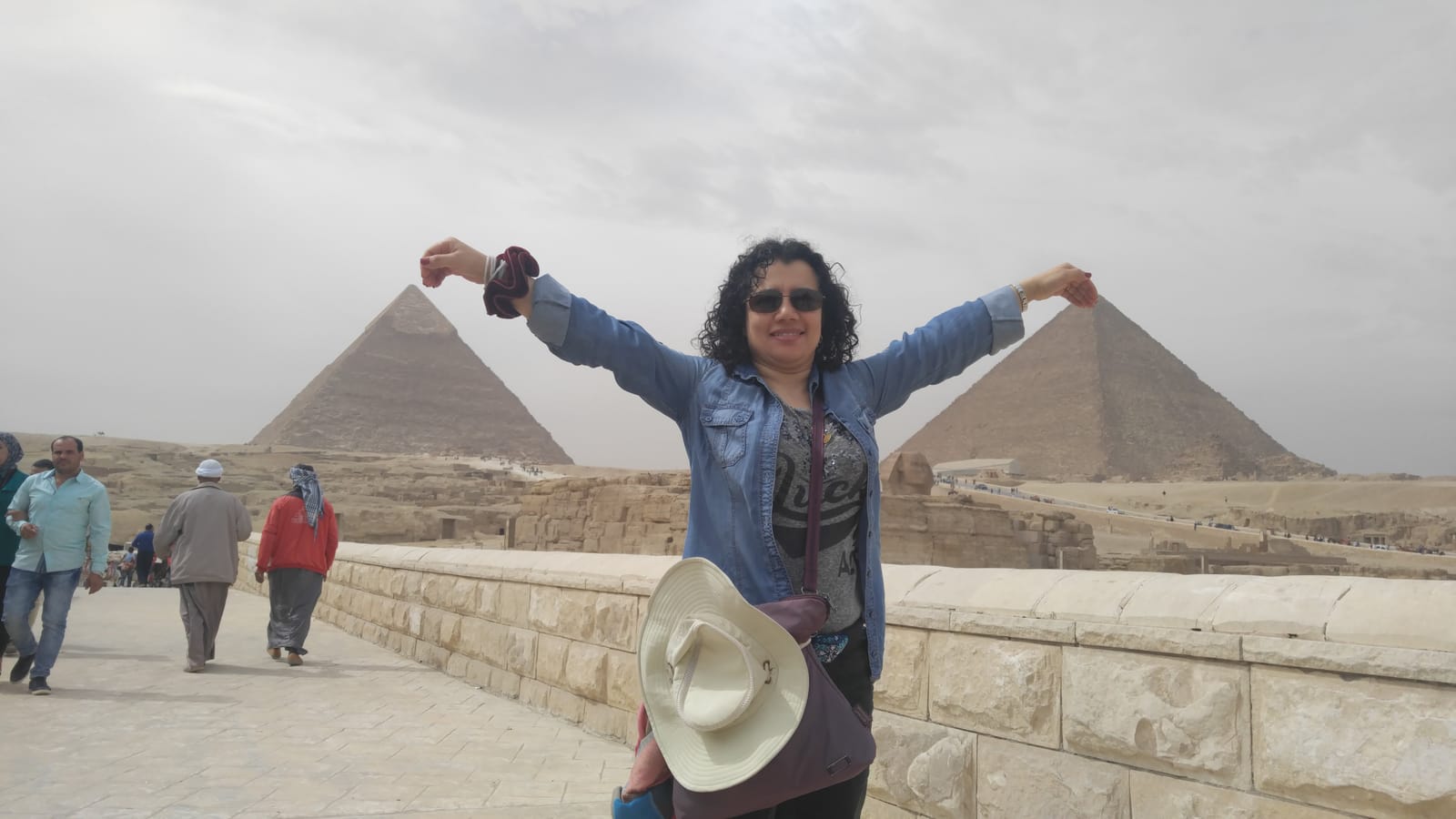
Day 6 — Giza. A morning limo-and-guide package to the Pyramids and Sphinx runs about $60 per person including entrance fees, and gets you there before the mid-morning tour-bus crush. Climb partway up the stone blocks (guards allow the first few tiers), ride a camel if you want the photo — negotiate the price before you mount, not after — and don’t skip the Sphinx, smaller and more weathered in person than any photo suggests. Spend the evening in Zamalek or at the Cairo Tower for a skyline view.
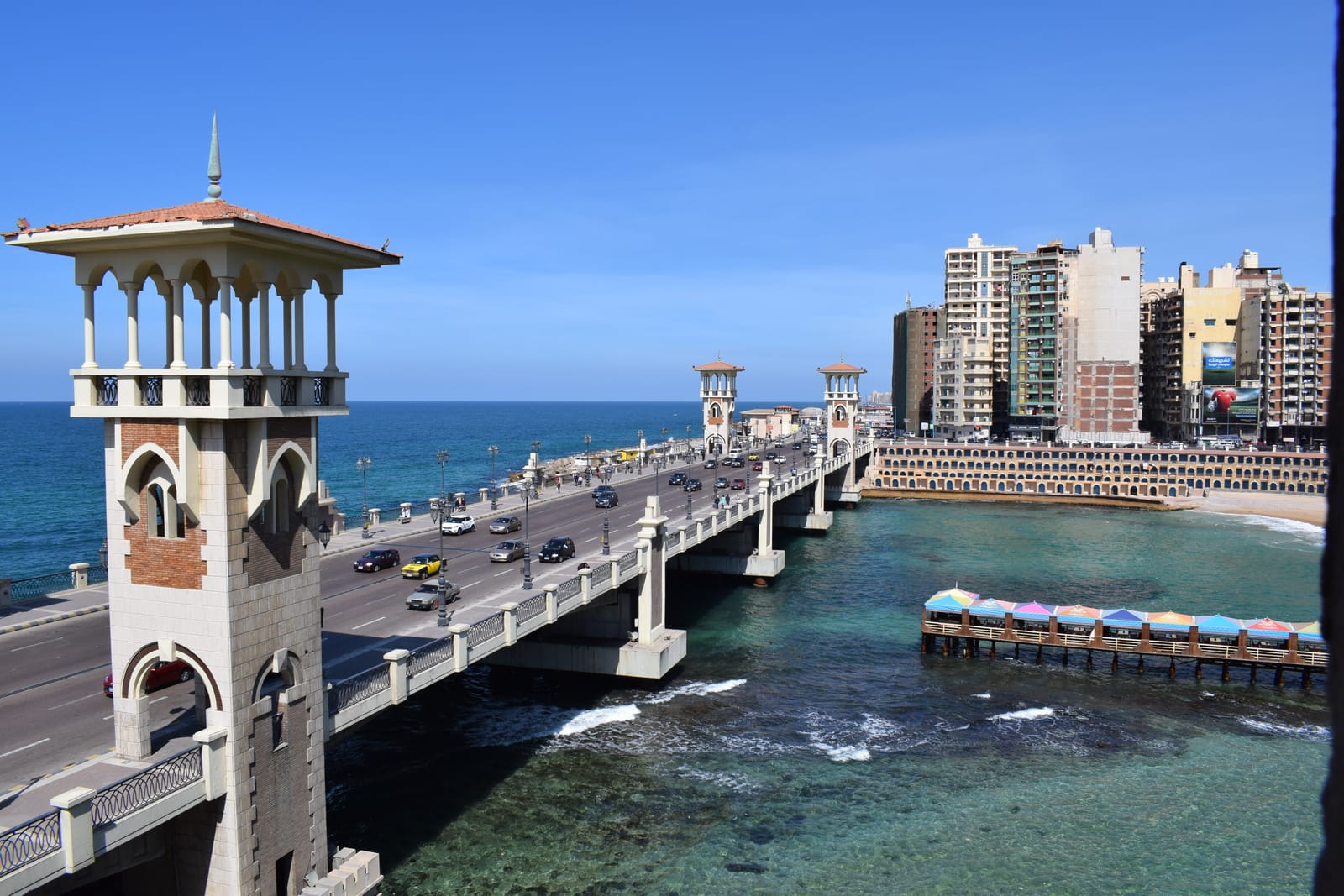
Day 7 — Transfer to Alexandria. A private driver or the frequent train covers the roughly three-hour run northwest to the Mediterranean coast. Check into a hotel near the corniche and spend the afternoon on a half-day guided tour (about $48 per person) covering the Bibliotheca Alexandrina — the striking modern rebuild of the ancient library, angled toward the sea — the Citadel of Qaitbay, and Pompey’s Pillar.
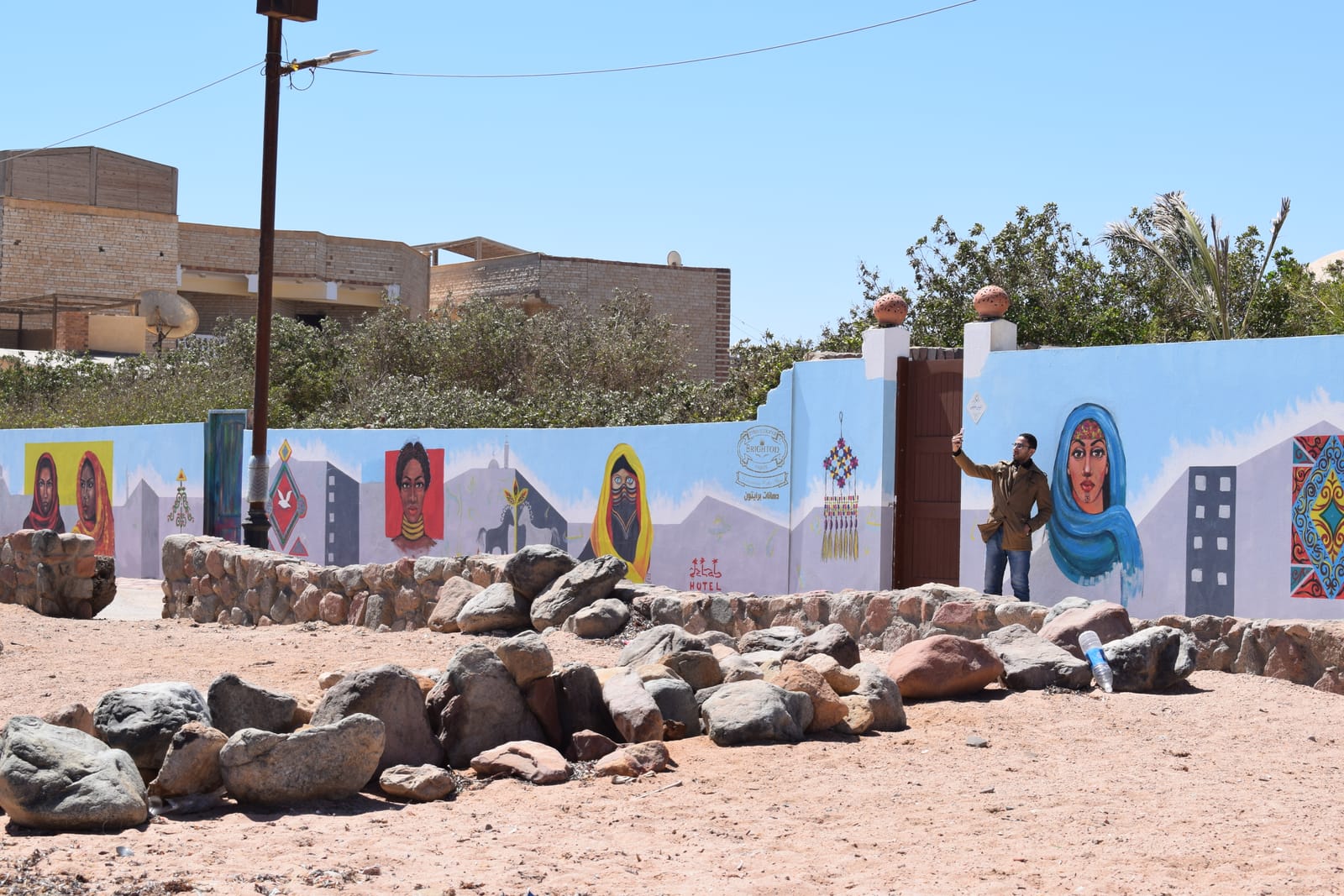
Day 8 — Fly to Sharm El Sheikh, transfer to Dahab. A short domestic flight from Alexandria’s Borg El Arab airport reaches the Sinai in under two hours; from Sharm, a private car covers the hour to Dahab, the low-key diving town that never went full resort. Settle in, swim off the hotel’s private beach or the public one nearby, and eat at one of the waterfront cafes — Dahab’s food is some of the best value on the whole route.
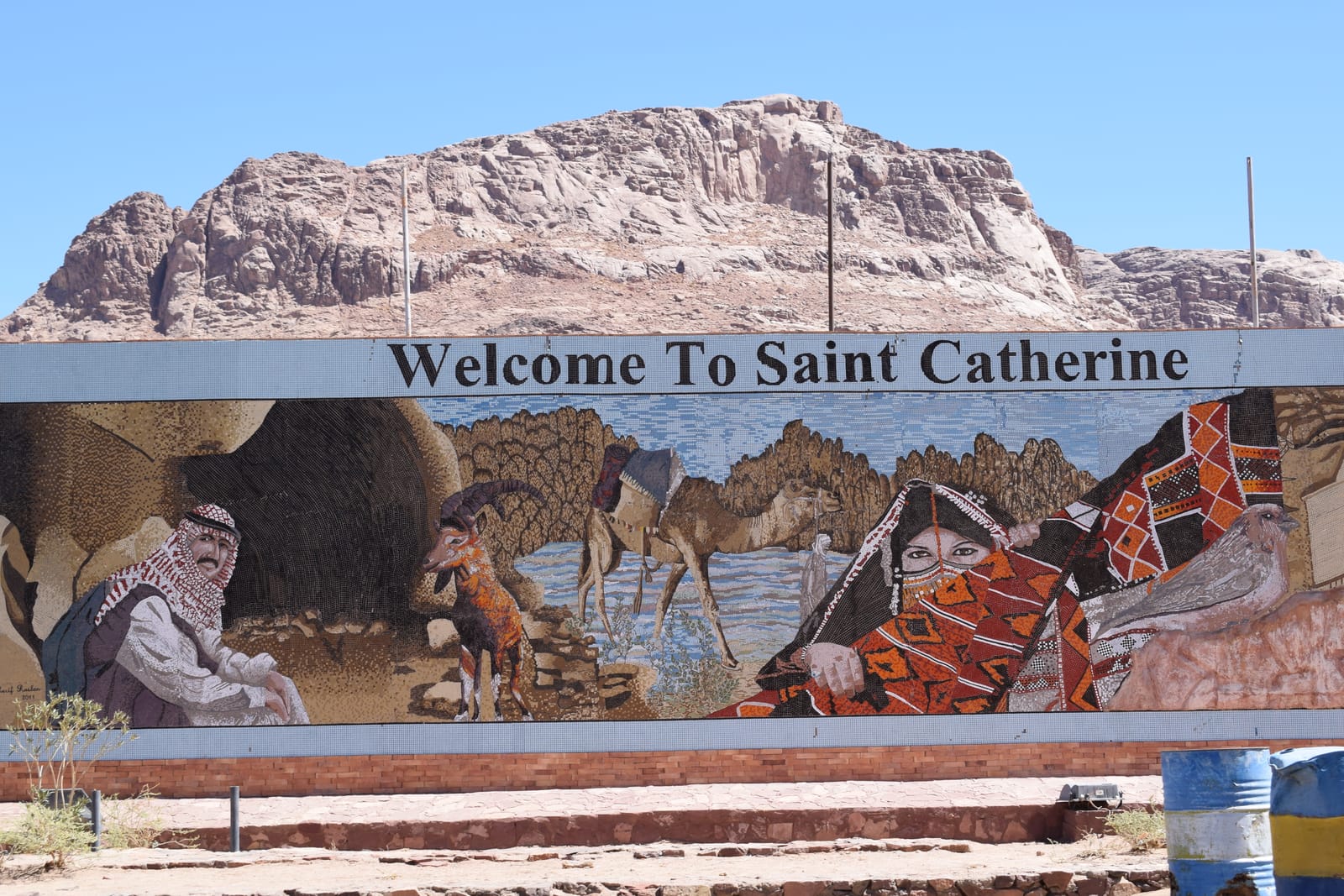
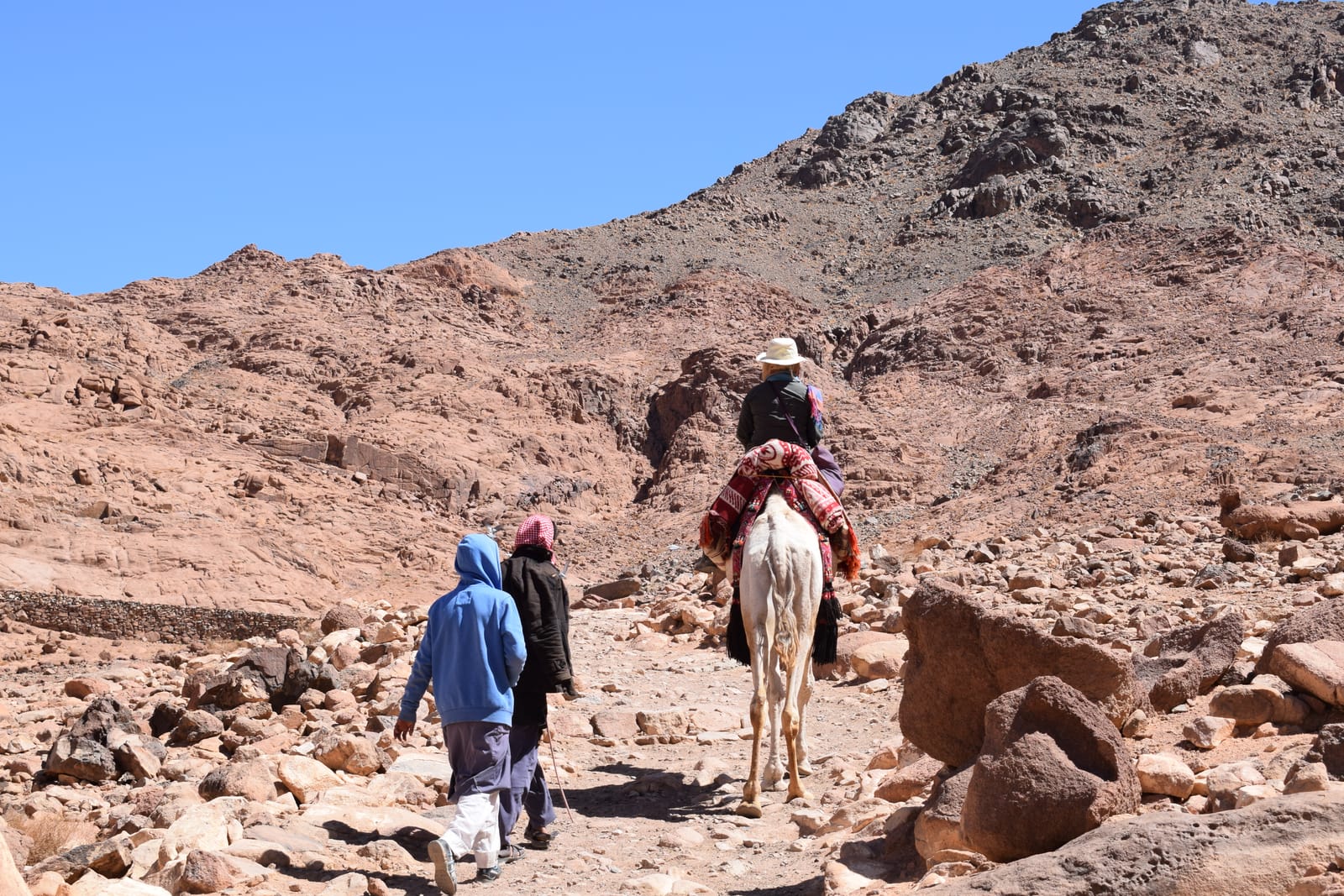
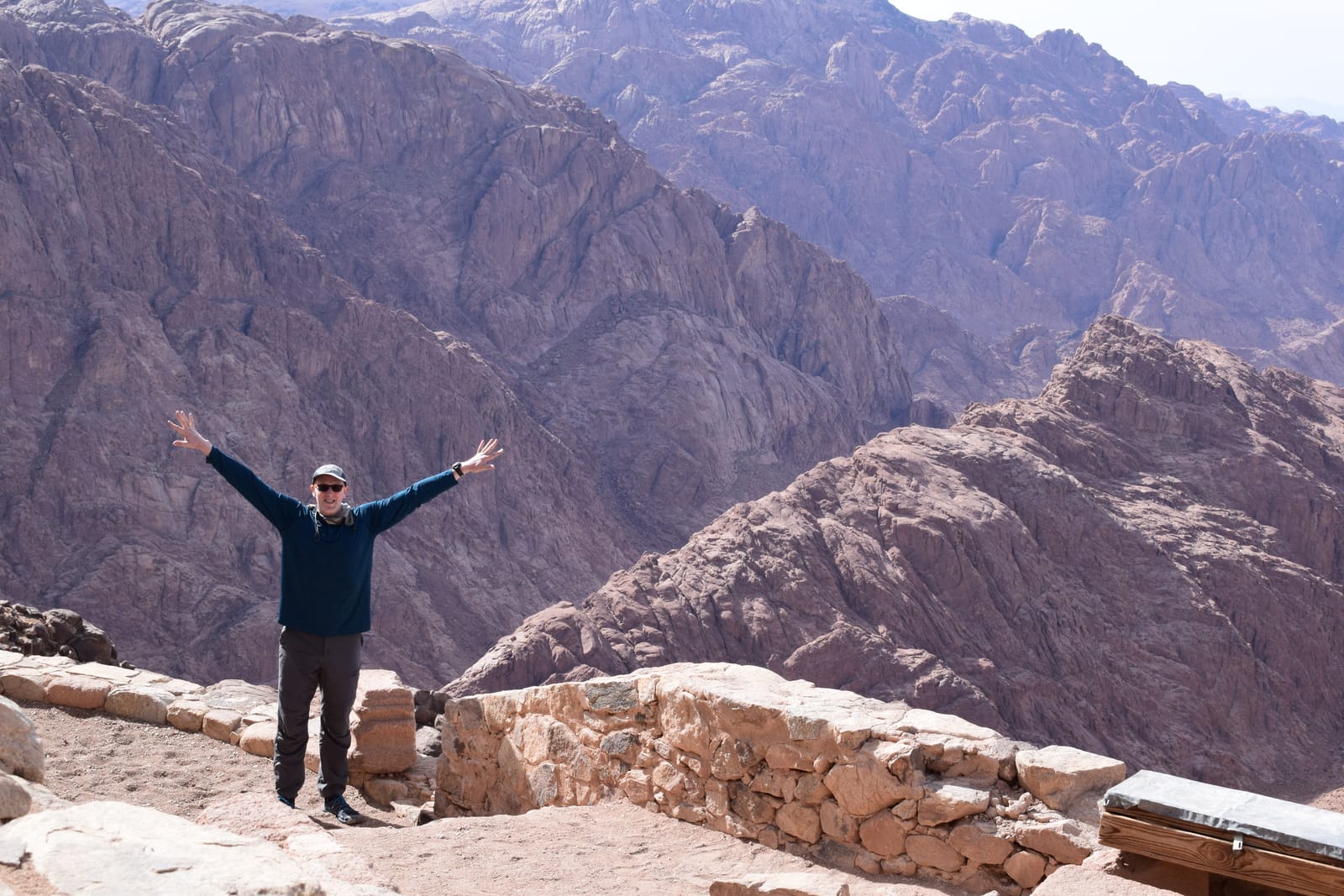
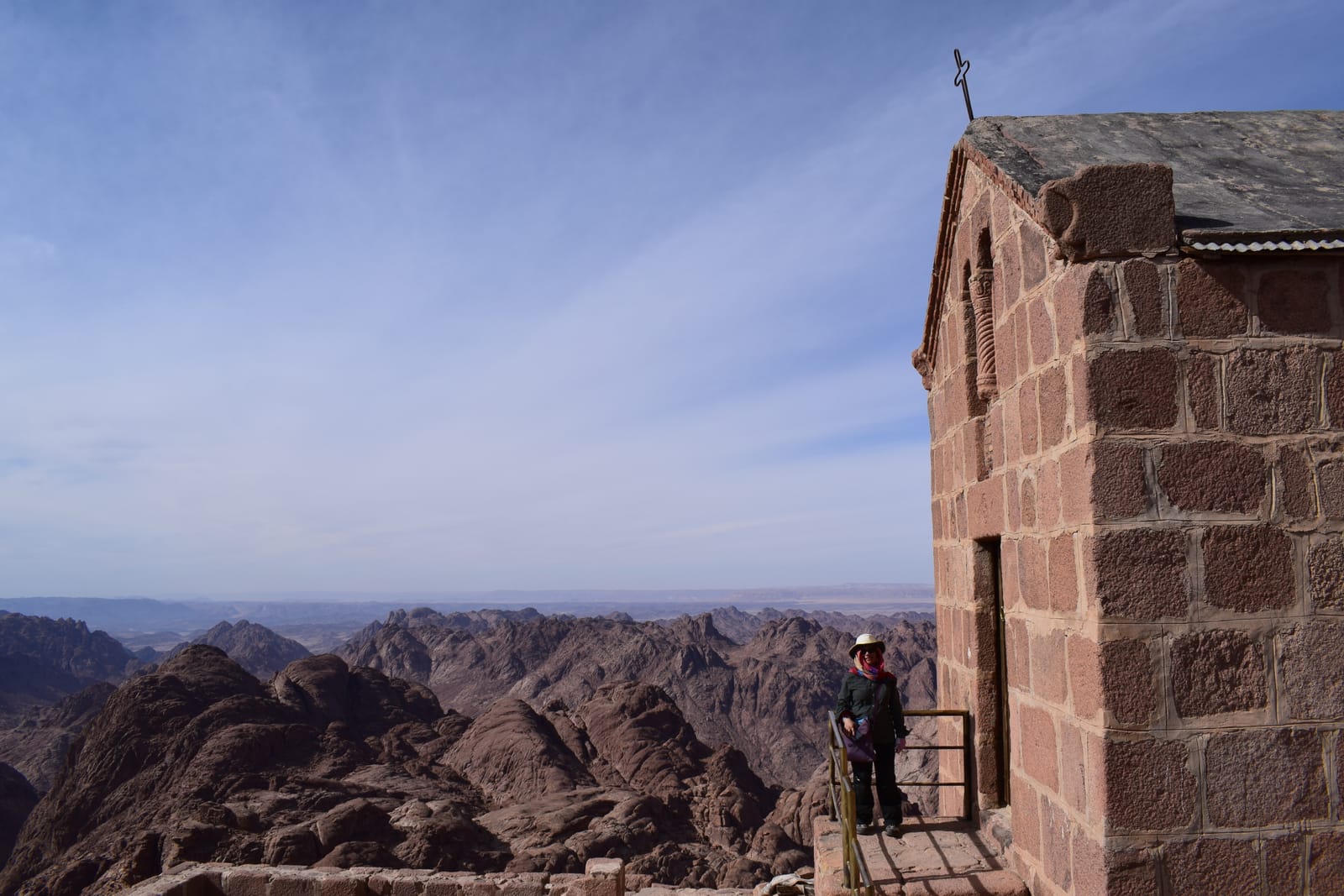
Day 9 — Mount Sinai and Saint Catherine’s Monastery. Most visitors do the sunrise version — a midnight departure and a headlamp climb — but a same-day guide and car up in the afternoon works nearly as well and lets you sleep. Either way, a car and Bedouin guide from Dahab runs about $30–40 per person for the mountain and the monastery combined. The hike up Jabal Musa is a graded camel path, no technical climbing, roughly three hours; camels are available most of the way for those who’d rather ride. Saint Catherine’s Monastery below is a working Greek Orthodox site and a UNESCO listing, home to the world’s second-largest collection of ancient manuscripts after the Vatican. From there, continue by the same car to Nuweiba on the coast, port town for tomorrow’s ferry.
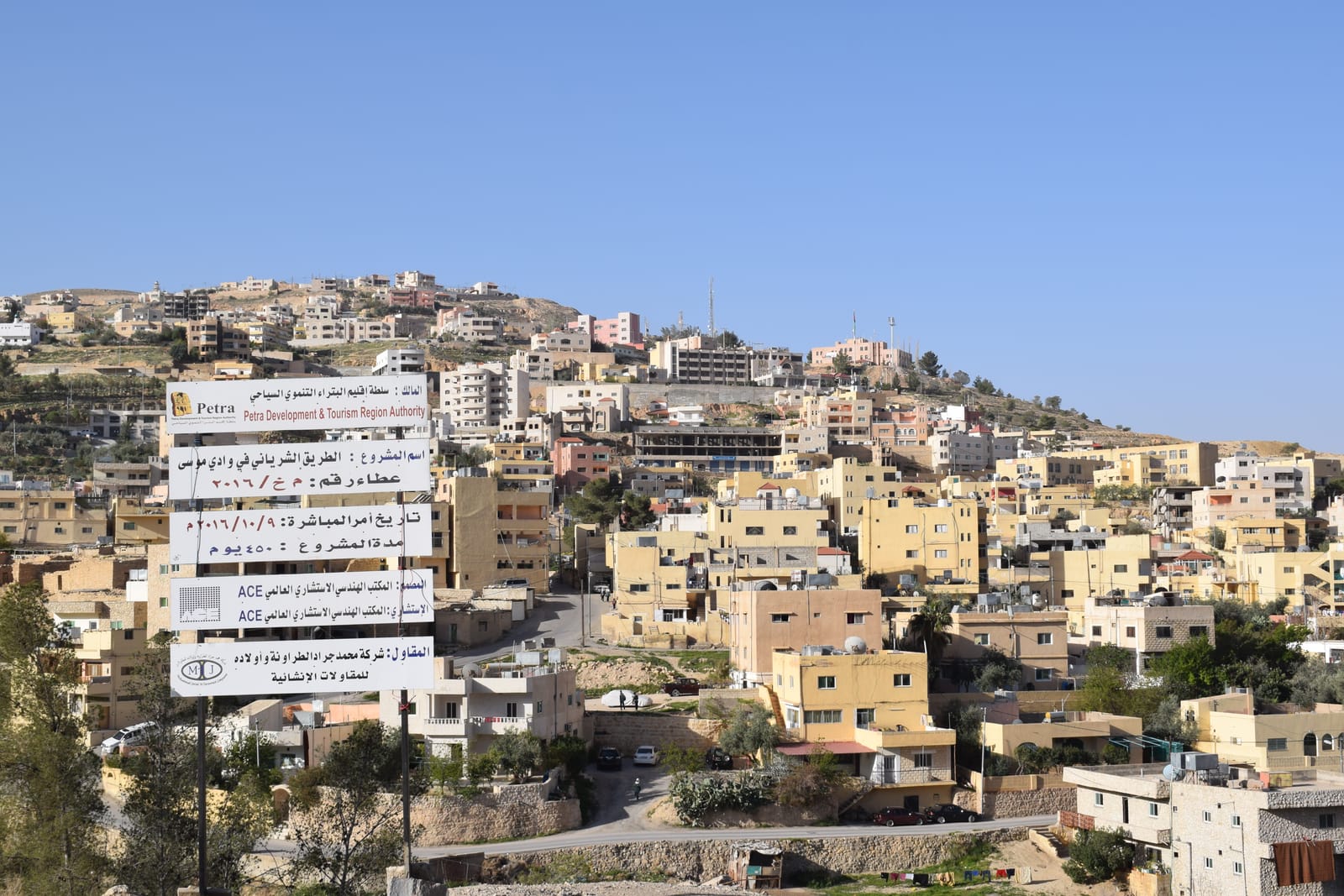
Day 10 — Ferry to Aqaba, bus to Petra. The Nuweiba–Aqaba ferry runs once daily, around $75 per person one-way, roughly two hours across the Gulf of Aqaba; arrive ninety minutes before departure, no advance booking required. On the Jordan side, get your visa on arrival (or better, buy a Jordan Pass online before you fly — for about $99 it bundles a multi-day Petra ticket with a visa-fee waiver, and pays for itself immediately). Public minibuses run from the port to Wadi Musa (Petra’s town) for about 5 JOD, roughly two hours. Check into a hotel near the Petra gate, and buy your Petra by Night ticket at the hotel desk the moment you arrive — it only runs Monday, Wednesday, and Thursday evenings and sells out.
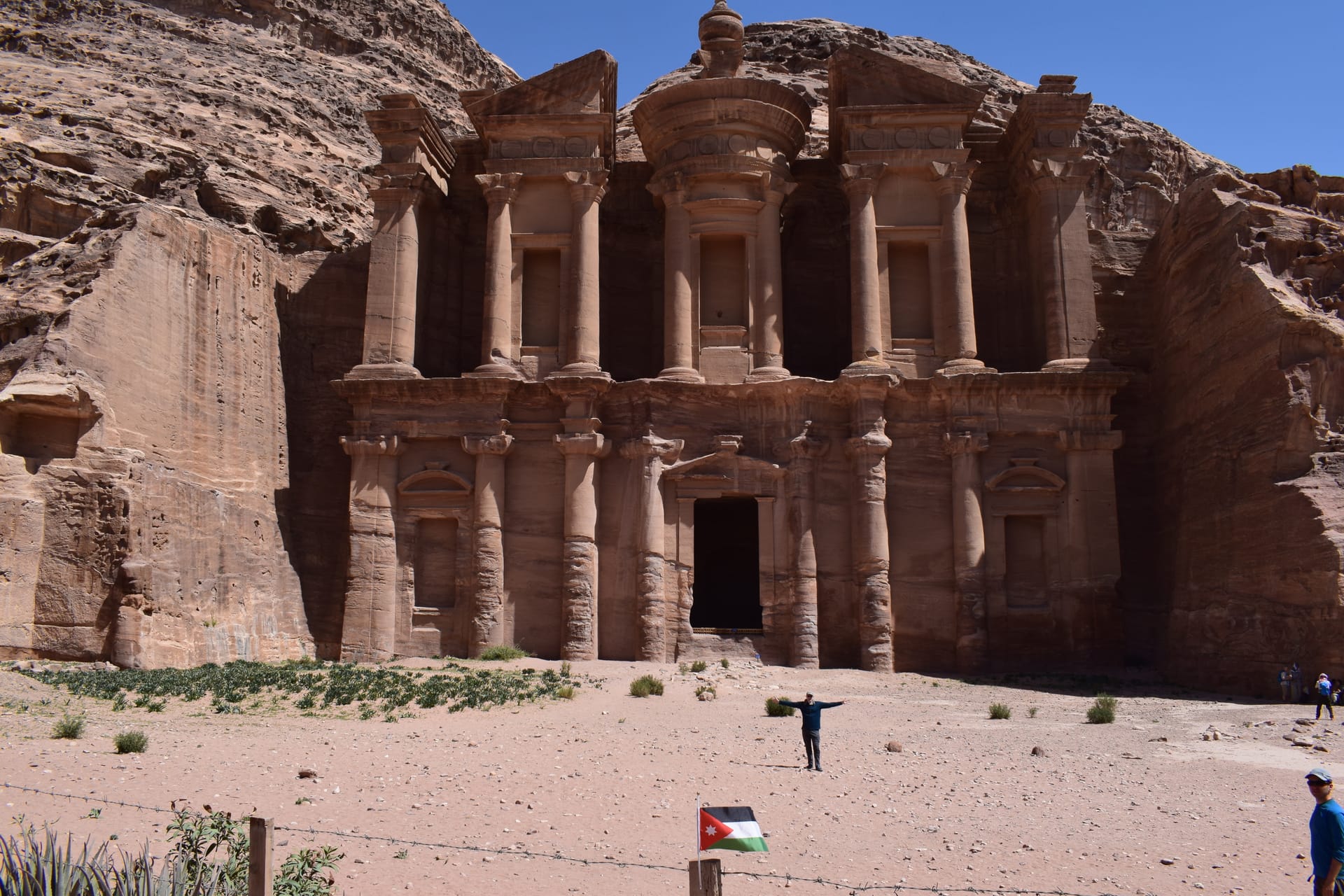
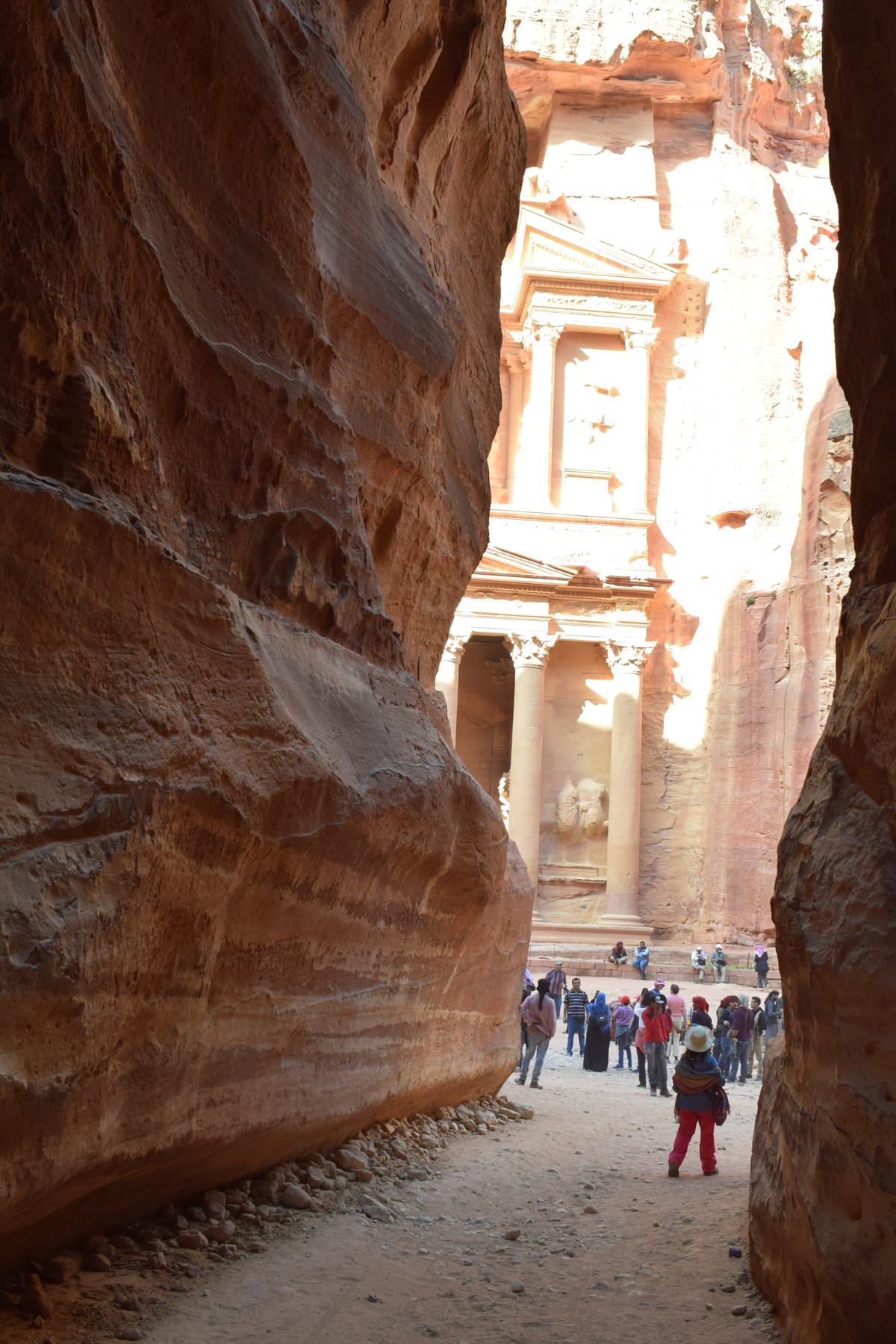
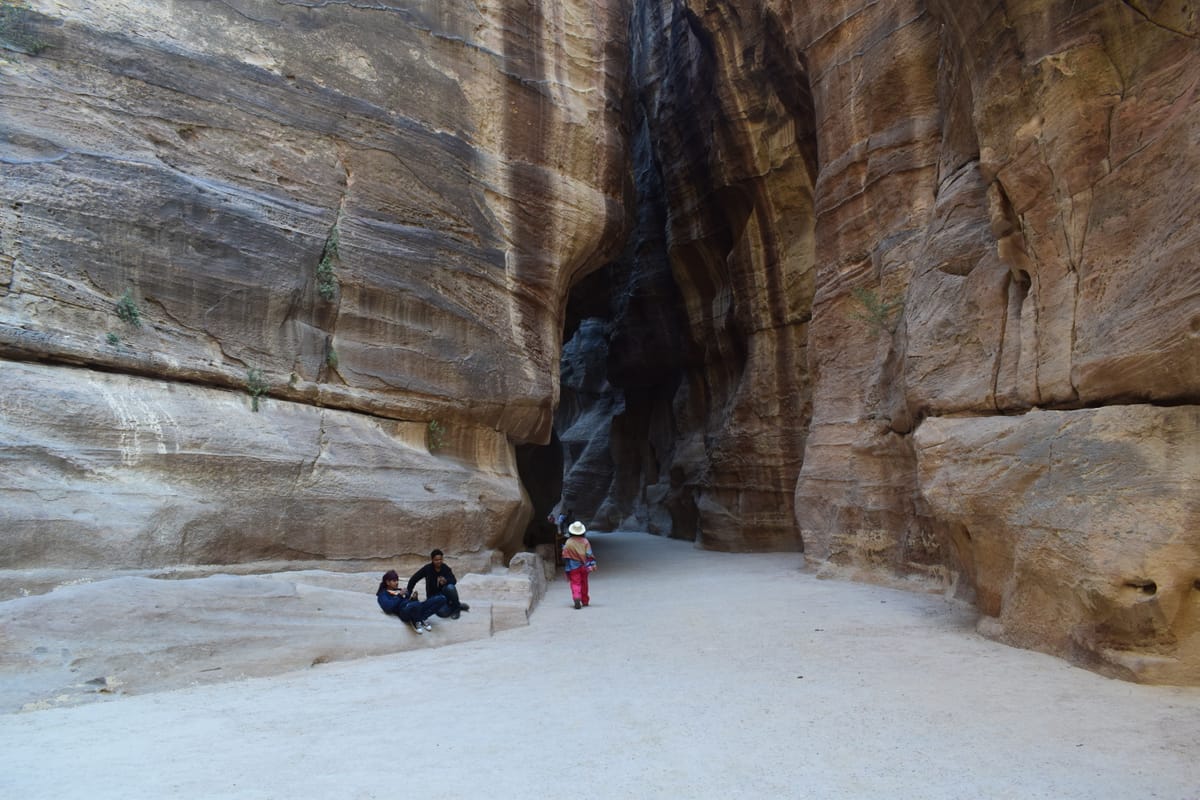
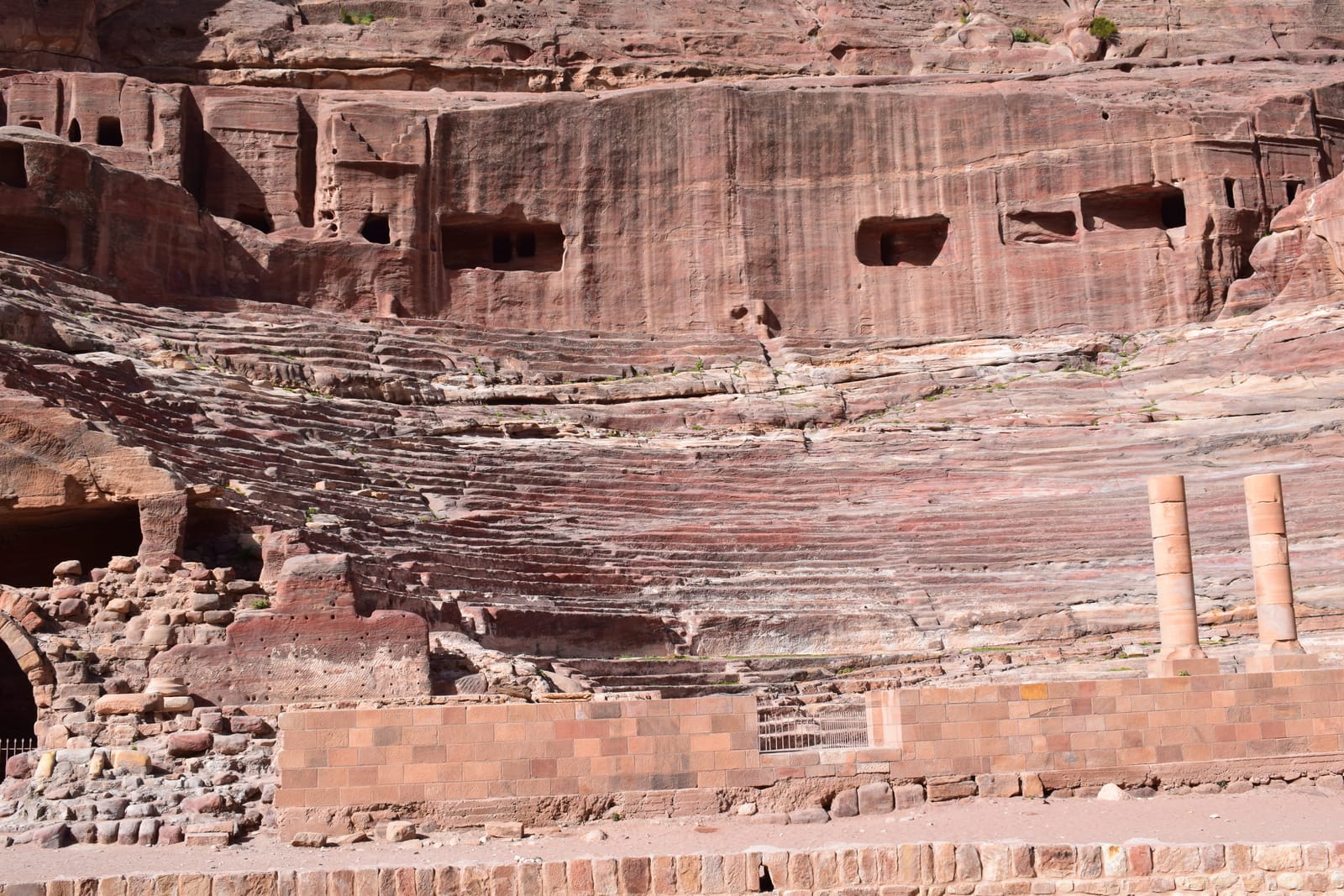
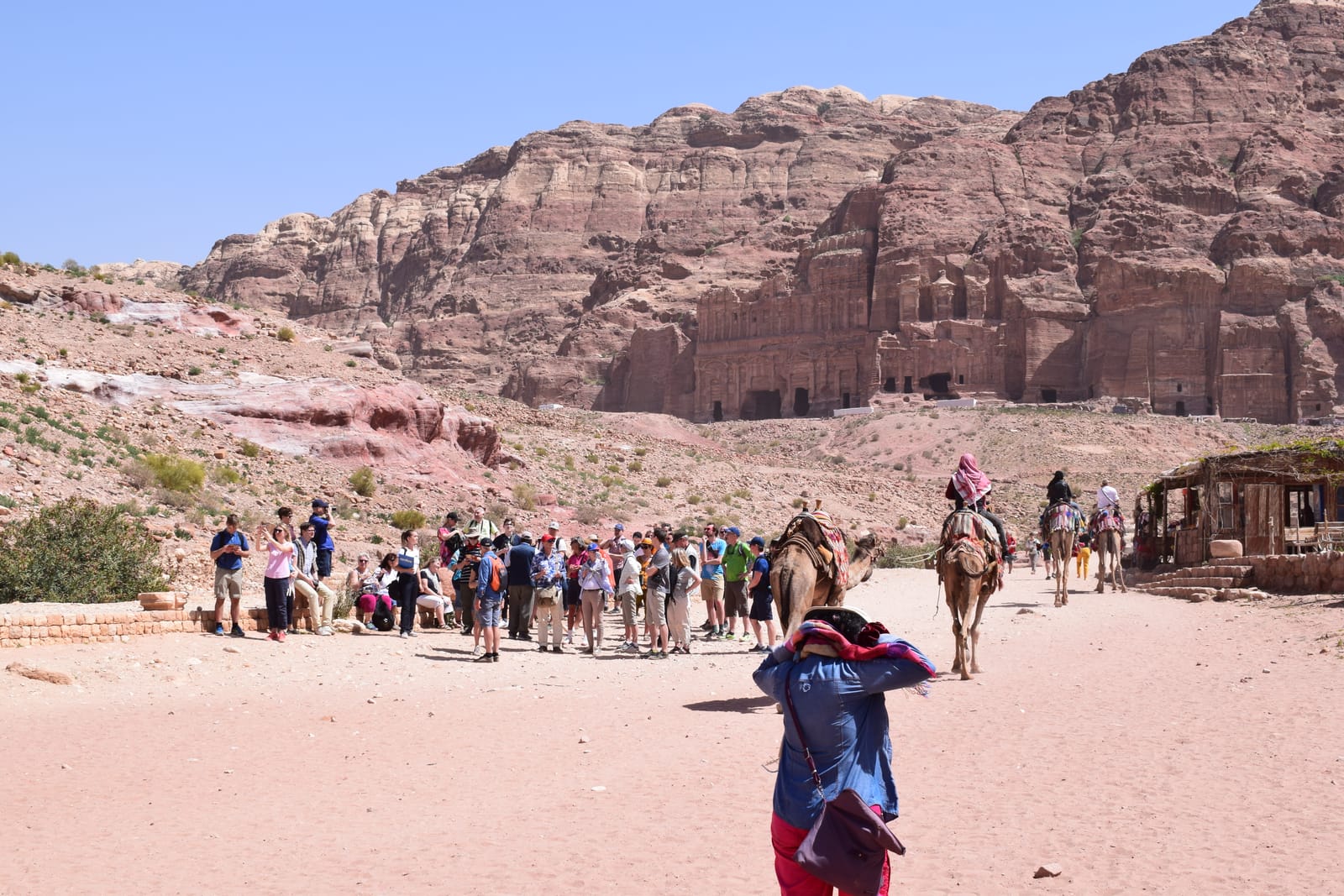
Day 11 — Petra, the full day. Petra rewards an early start: the site opens at 6 AM and the Siq is coolest and quietest before 8. Walk the kilometer-long Siq canyon to the Treasury — the single most photographed moment of the whole trip — then continue past the Street of Facades and the Royal Tombs to the Monastery, an 800-step climb that takes 30–45 minutes and is, in my opinion, more impressive than the Treasury itself. Donkey rides up cost about 10 JOD each way if you’d rather not climb. Bring your own water and a packed lunch from your hotel; prices inside the site run high.
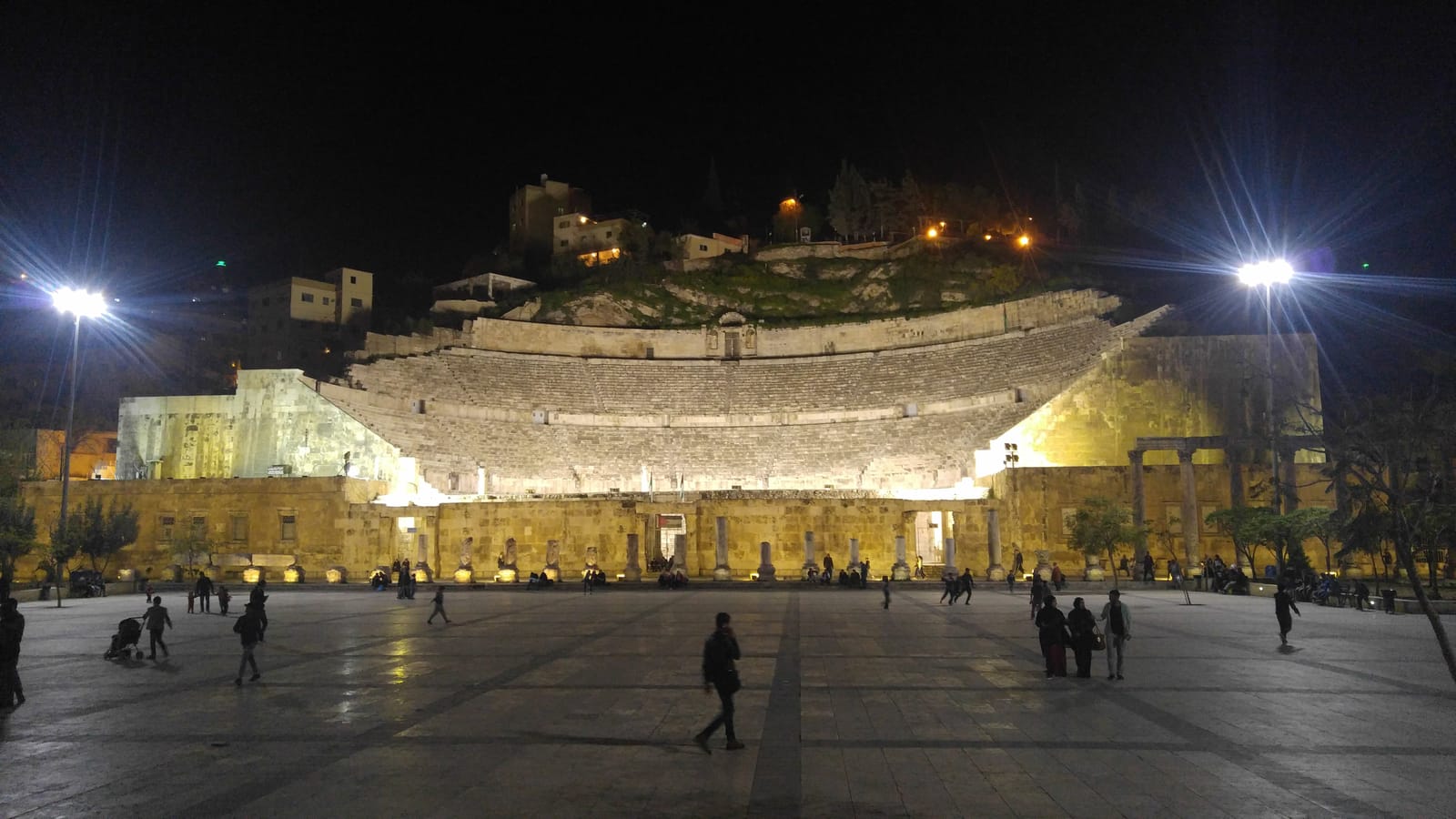
Day 12 — JETT bus to Amman. The single daily JETT coach leaves Wadi Musa at 4 PM, about three hours to Amman, roughly 10 JOD including a meal and a movie — book a day ahead at the JETT office in town. In Amman, take an Uber or yellow taxi to your hotel; downtown near Rainbow Street or the older Abdali area both work well. If the timing allows, catch the Roman Theatre lit up at night — one of the best free views in the city.
Day 13 — Downtown Amman. Everything worth seeing downtown is walkable: the Roman Theatre and its small folkloric museum, the Citadel on Jebel al-Qala’a for Roman, Byzantine, and Umayyad ruins in one compact site, the gold souks, and Hashem Restaurant for the falafel Amman is famous for (cheap, legendary, and worth the wait). Habibah Sweets nearby does the best kunafeh in town. Evening drinks or dinner on Rainbow Street round out the day.
Day 14 — Fly Amman to Beirut. A short hop (under an hour) on Royal Jordanian or Middle East Airlines. Lebanon issues a free visa on arrival for US citizens (check current requirements before you fly, as rules can shift). From the airport, either grab an official airport taxi (about $25, agree the price first) or use Uber, which operates reliably in Beirut. Base yourself in Gemmayze or Mar Mikhael, the restored Ottoman-era neighborhoods with the best restaurant density in the city.
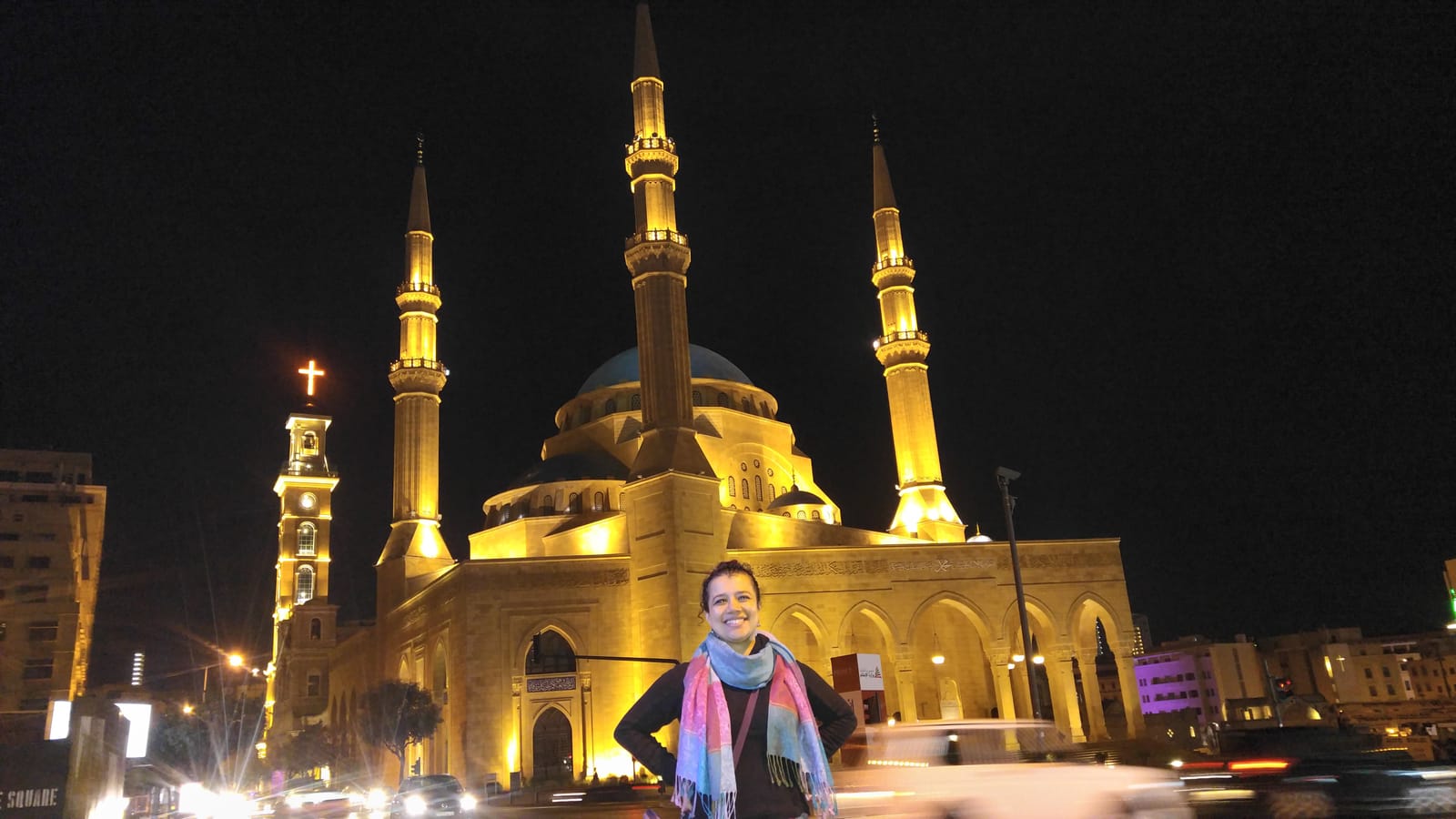
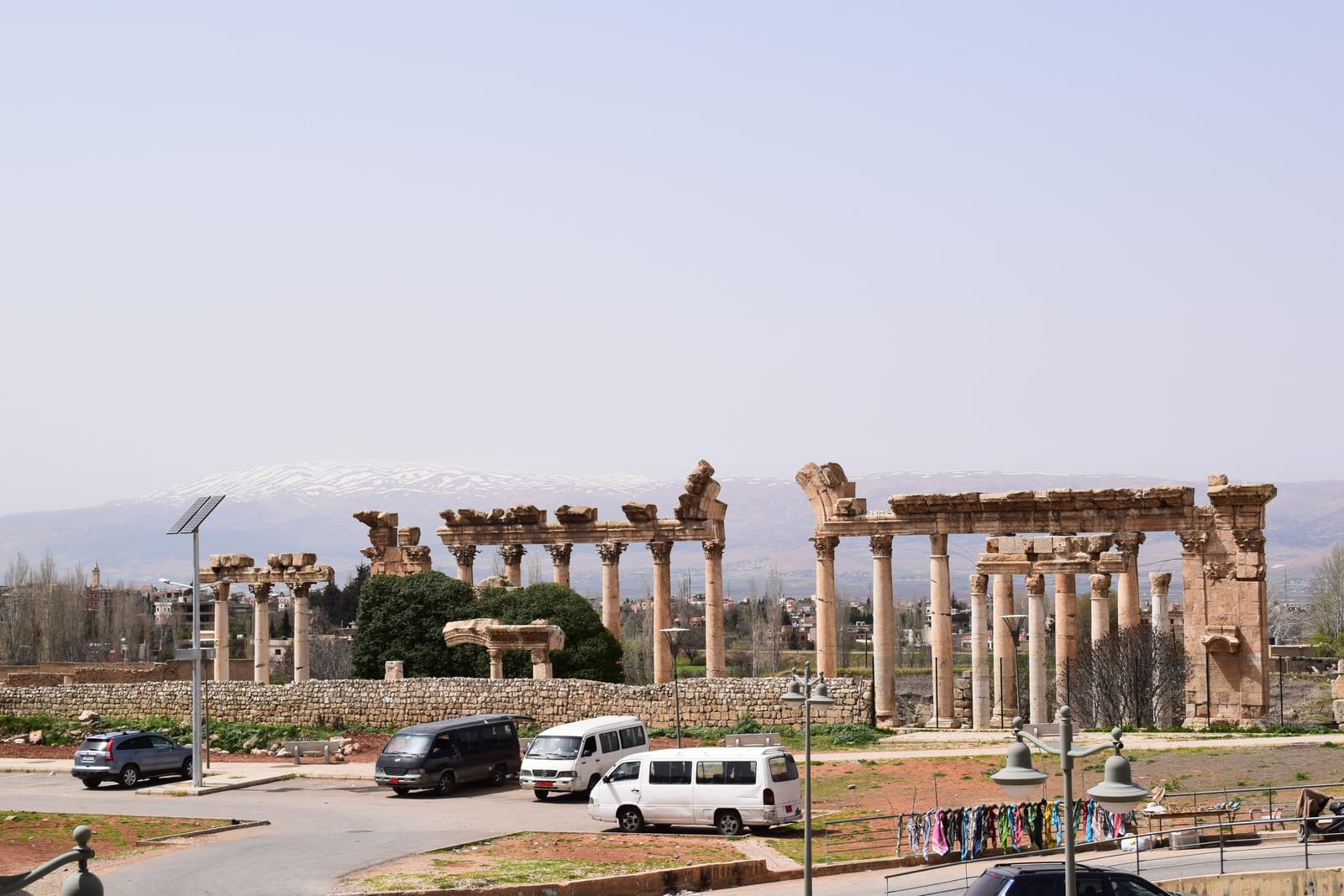
Day 15 — Beirut on foot, Baalbek by day trip. Book a private driver the day before for Baalbek (about $100 total for up to three people, roughly two and a half hours each way) — the largest Roman temple complex ever built, with column drums the size of small houses and snow-capped mountains behind it in March. A local guide inside the ruins runs about $20 and is worth it for the engineering history alone. Back in Beirut that evening, walk downtown to see Mohammad Al-Amin Mosque lit up, and eat at a proper mezze restaurant — Beirut’s food scene rewards a splurge night.
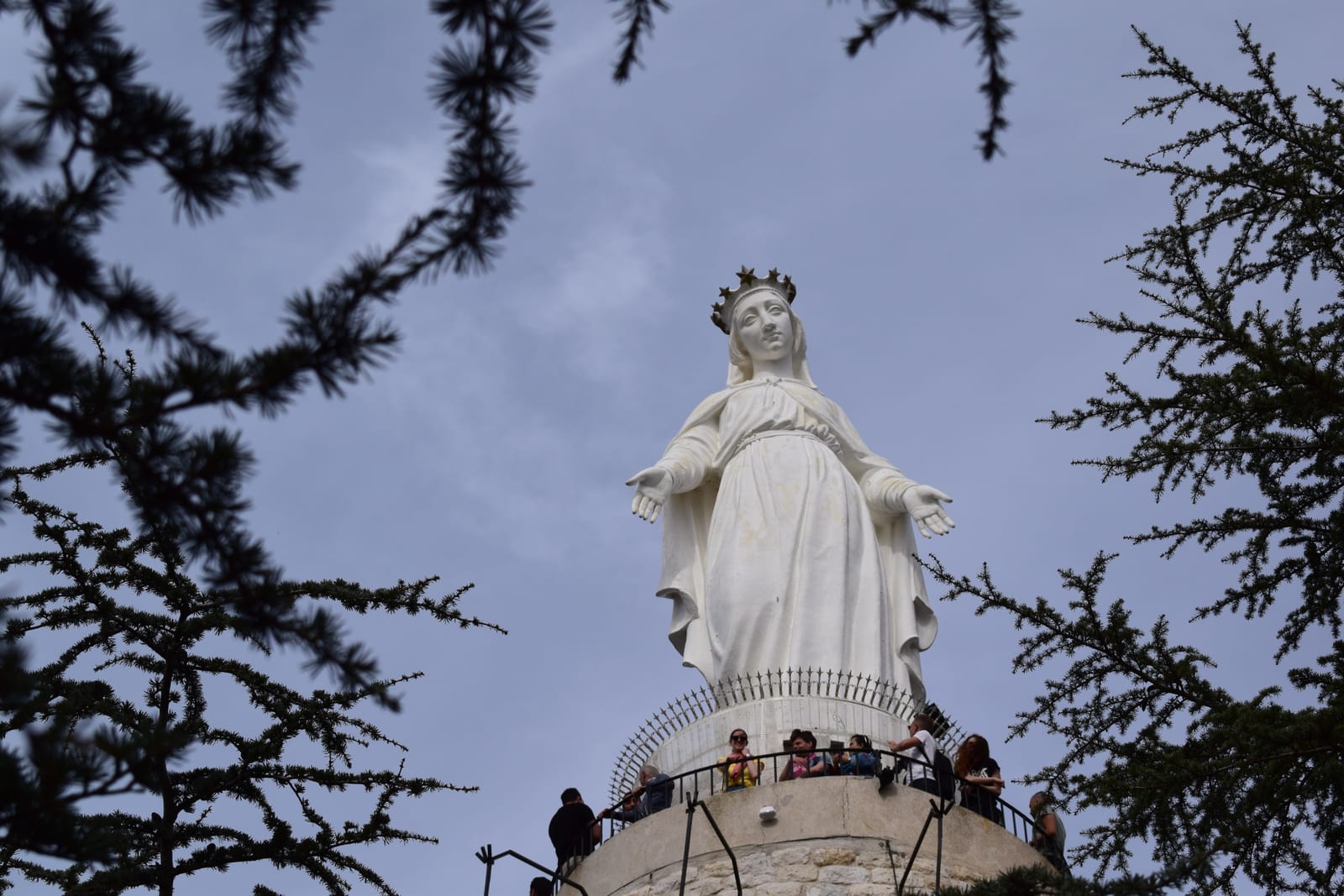
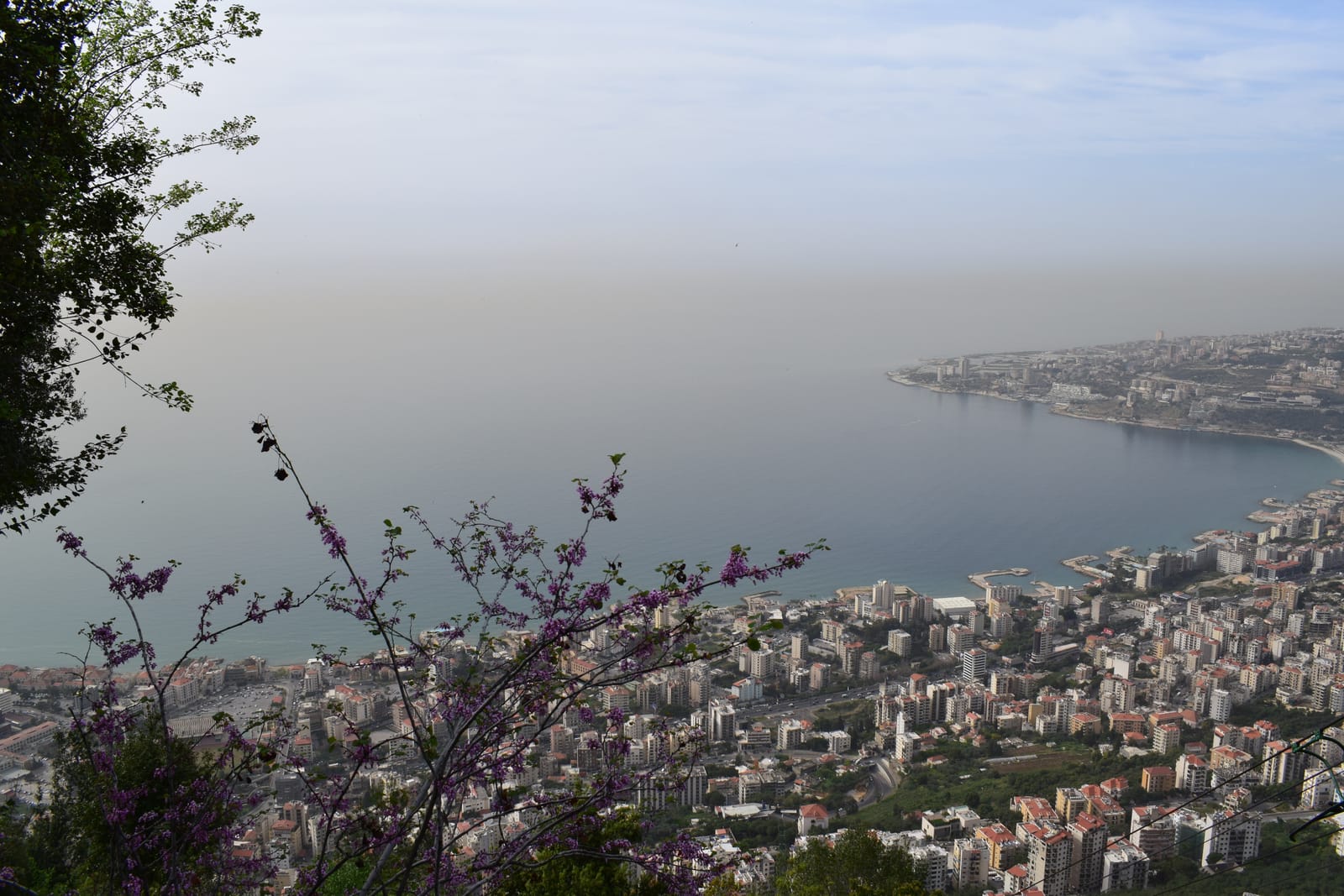
Day 16 — Harissa, then home. A short taxi or the Jounieh–Harissa cable car climbs to the Our Lady of Lebanon shrine, with the best panoramic view of Jounieh Bay and the coastline on the whole trip. If your flight allows a full day, add Byblos (one of the oldest continuously inhabited cities on earth, 40 minutes north) or Sidon’s Ottoman-era souks before heading to the airport for your flight home, typically routed back through Istanbul or a European hub.
Where we stayed
Booked as we went, one or two legs ahead, cash-friendly throughout since several stops run on cash-only economies.
| Stop | Nights | Hotel |
|---|---|---|
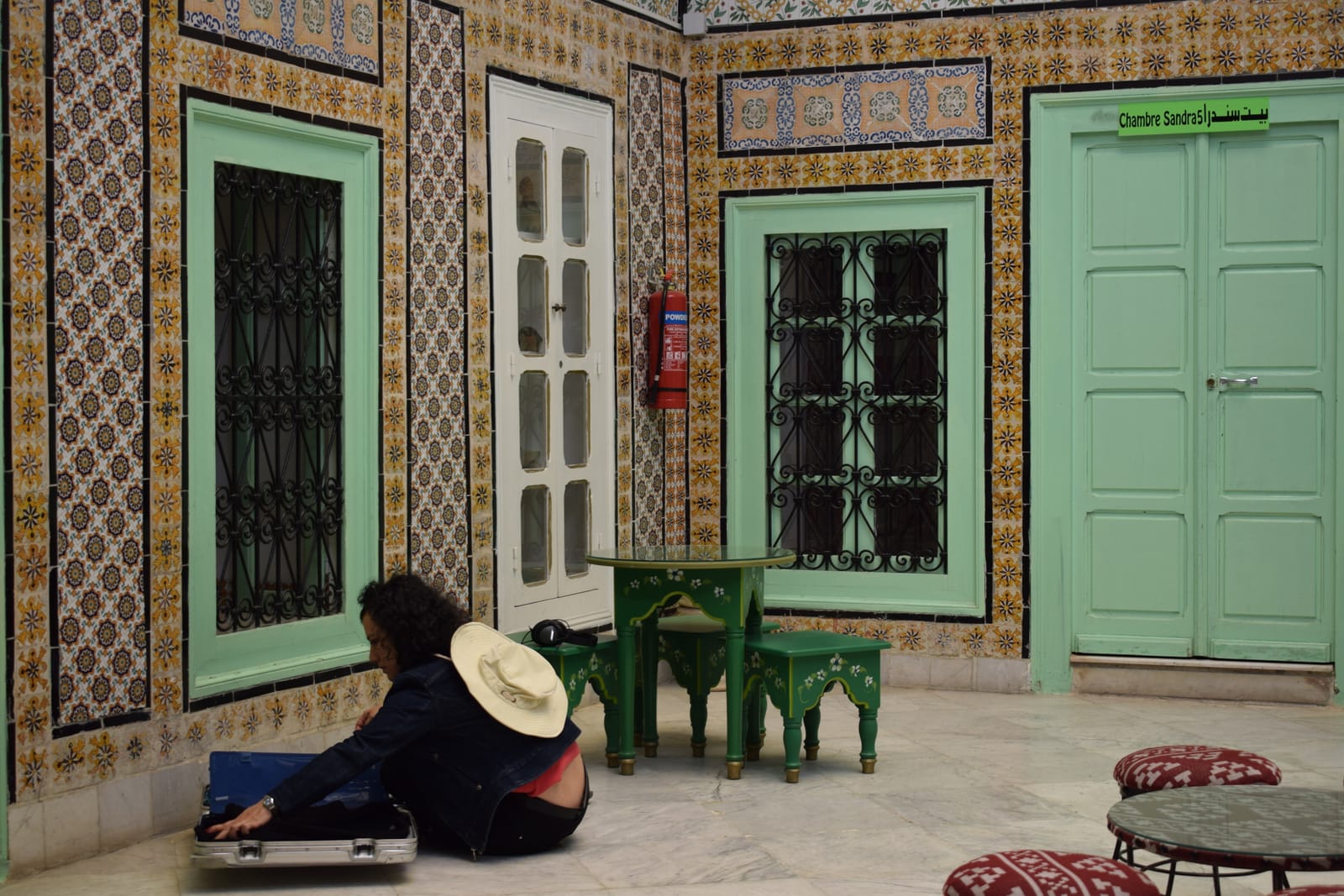
| Tunis | 2 | Dar Ya, inside the medina, walking distance to everything |
| Cairo | 3 | Freedom Hostel, Downtown, near Tahrir Square |
| Alexandria | 1 | San Giovanni Stanly Hotel, on the corniche |
| Dahab | 1 | Solaris, private beach access |
| Nuweiba | 1 | Helnan Nuweiba Bay Resort, walking distance to the port |
| Wadi Musa (Petra) | 1 | Petra Gate Hotel, a short walk to the visitor center |
| Amman | 1 | Sydney Hostel, near the first circle |
| Beirut | 3 | The Grand Meshmosh Hotel, Gemmayze |
Free-cancellation rates booked a few weeks out, reconfirmed close to arrival — the same rhythm as every plan on this site. Petra and Nuweiba hotels are small; book those two nights first if you’re traveling in high season (March–April, September–October).
What it costs
Per person, double occupancy, adjusted from my March 2018 run for current flight and fee pricing. Expect meaningful swings on the four flights depending on how far ahead you book.
| Item | Per person (USD) |
|---|---|
| US gateway to Tunis, round trip Beirut to US (via a European or Istanbul hub) | $900–1,400 |
| Regional flights: Tunis–Cairo, Alexandria–Sharm El Sheikh, Amman–Beirut | $280–420 |
| Nuweiba–Aqaba ferry | $75 |
| Visas: Egypt ($25), Jordan (waived with Jordan Pass, ~$99), Lebanon (free on arrival) | $25–125 |
| Hotels, 13 nights | $450–650 |
| Guided day tours (Old Cairo, Giza, Alexandria, Mount Sinai, Baalbek) | $260–330 |
| Petra multi-day ticket + Petra by Night (or bundled in Jordan Pass) | $80–105 |
| Ground transport (taxis, buses, minibuses, drivers) | $150–200 |
| Food and drink | $400–550 |
| Total, excluding the transatlantic flights | $2,020–2,780 |
For comparison, escorted small-group tours covering a similar Egypt-and-Jordan route alone — without Tunisia or Lebanon — commonly list at $4,500–6,500 per person before international flights, for roughly half the number of countries.
The cash playbook
Four countries, four currencies, and Tunisia adds a wrinkle: it’s illegal to import or export Tunisian dinars, so change money only after you land and change it back before you fly out — keep the exchange receipt, you’ll need it. Egypt runs on pounds with ATMs everywhere in Cairo and Alexandria, less reliably in Sinai towns, so withdraw before you leave Cairo. Jordan uses dinars; USD is widely accepted for larger purchases like the Jordan Pass or private drivers but small vendors want dinars. Lebanon is the simplest: US dollars are accepted everywhere and often preferred, though change frequently comes back in Lebanese pounds — carry a stack of small USD bills ($1s and $5s) so you’re not stuck making awkward change on taxis and minibuses.
Paperwork and health
US citizens: Tunisia is visa-free for stays under 90 days. Egypt issues a $25 visa on arrival at any international airport, cash only. Jordan issues a visa on arrival (about 40 JOD) unless you buy the Jordan Pass in advance, which waives the fee entirely if you stay three nights or more — buy it online before you fly, not after. Lebanon currently issues a free visa on arrival for US citizens for stays up to a month, but confirm this before departure and check the State Department advisory for Lebanon specifically, given how quickly conditions there can shift.
Travel insurance with medical evacuation coverage matters more on this route than on most: you’re moving through four different healthcare systems, several remote (the Sinai interior, rural Jordan), and evacuation costs from those areas are substantial. Check CDC destination guidance for all four countries — vaccination recommendations differ by stop, and Egypt and Jordan both warrant a look at food and water precautions. Sun exposure is the quieter risk: the Sinai desert, the Giza plateau, and Petra’s open sandstone all deliver far more UV than most travelers expect in March.
Honest notes and what to skip
Four countries in sixteen days is a real pace, and the itinerary above has almost no slack days built in — if you want one, cut a night from Cairo (three is generous) rather than from Petra or Beirut, where the extra time pays off more. Skip the pushier camel and horse touts at Petra’s entrance; a carriage to the Treasury and back sounds efficient but comes with tip demands well beyond the quoted price, and walking in takes only twenty unhurried minutes. Don’t try to add Wadi Rum to this exact loop unless you’re willing to lose a full day — it’s a worthwhile detour but sits in the opposite direction from the Aqaba–Petra corridor this plan uses. And don’t rush Baalbek: of everything on this route, the two and a half hours each way from Beirut is the one drive I’d happily do again, mountains and all.
Questions about this route? Reply to any issue of the newsletter and I will answer personally. New trip plans land in subscribers’ inboxes first. [Subscribe free →]